In 1981, in Huntington Park, California, Kerry King and Jeff Hanneman met at an audition for a southern rock band and decided to start their own. Together with drummer Dave Lombardo and Tom Araya on bass and vocals, Slayer became one of the four big names of American thrash metal, alongside Metallica, Megadeth and Anthrax.
“`The four members
Tom Araya was born in 1961 in Viña del Mar, Chile, and grew up in Los Angeles. He picked up the bass at eight and, before the band, worked as a respiratory therapist.
Kerry King was born in 1964 in Los Angeles, learned guitar in his teens and fell early for Van Halen and Judas Priest. He plays BC Rich guitars.
Jeff Hanneman was born on 31 January 1964 in Long Beach and grew up in a family of war veterans. He discovered metal through his older sister and at high school found hardcore punk, which pushed the band toward speed.
Dave Lombardo was born on 16 February 1965 in Havana and moved to South Gate, California, at the age of two. He got his first drum kit at ten and gave the band its feverish rhythm.
The early days and «Show No Mercy»
At first they played covers of Iron Maiden, Judas Priest and Venom in clubs around southern California. In 1983 Brian Slagel of Metal Blade saw them and asked for a track for the Metal Massacre III compilation; «Aggressive Perfector» earned them a contract.
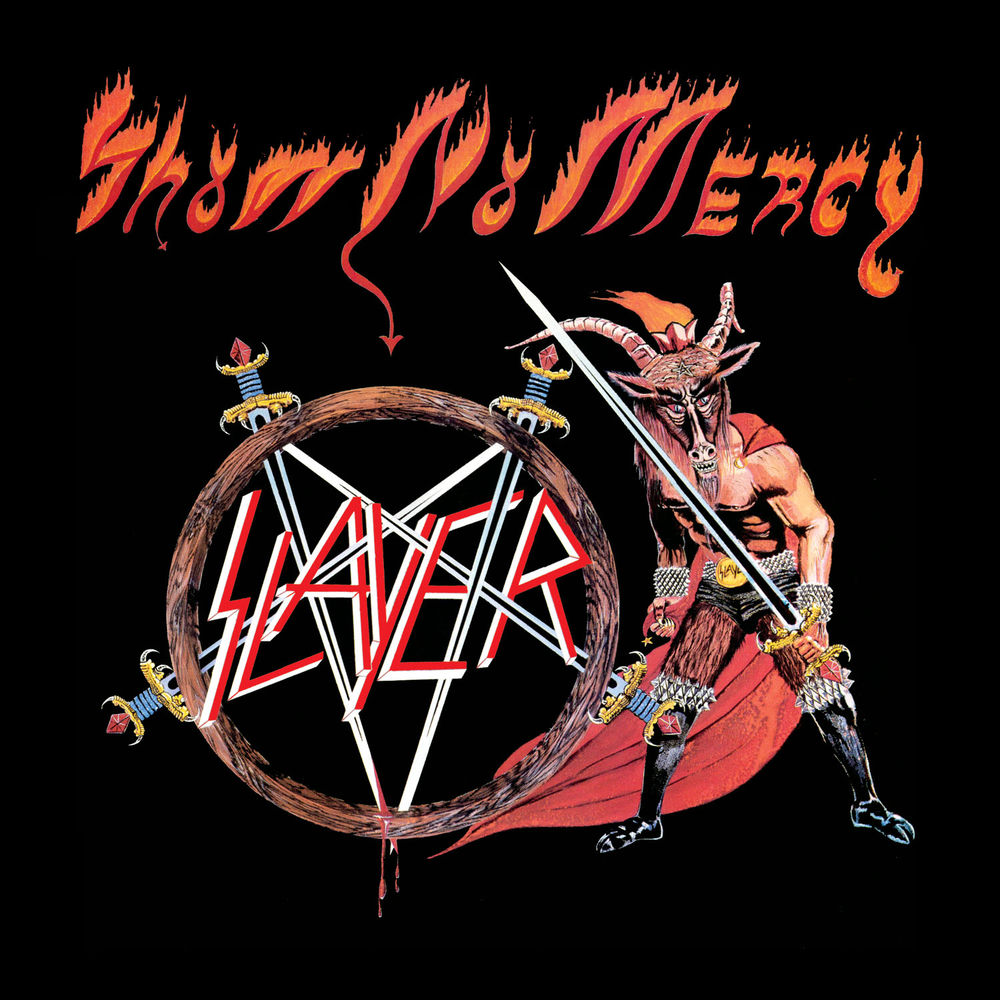
The debut was recorded in November 1983 at Track Record Studios in North Hollywood on a budget of around $1,500, money they put up themselves — Araya from his savings and King from a loan from his father. The sessions were mostly at night, and «Show No Mercy» came out on 3 December 1983. Despite the rough production, it became Metal Blade’s best-selling release up to that point.
The 1984 EP and «Hell Awaits»
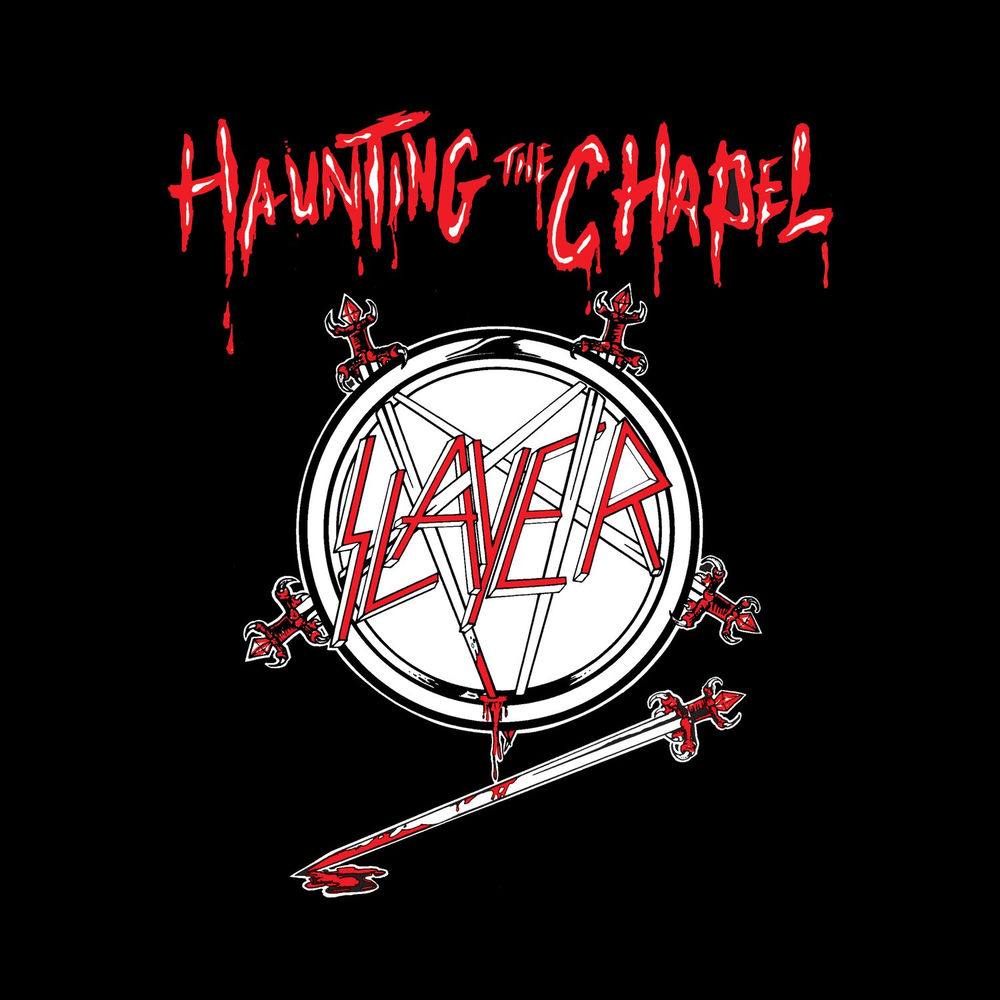
In June 1984 came the EP «Haunting the Chapel», darker and more thrash than the debut — the first step toward their classic sound.
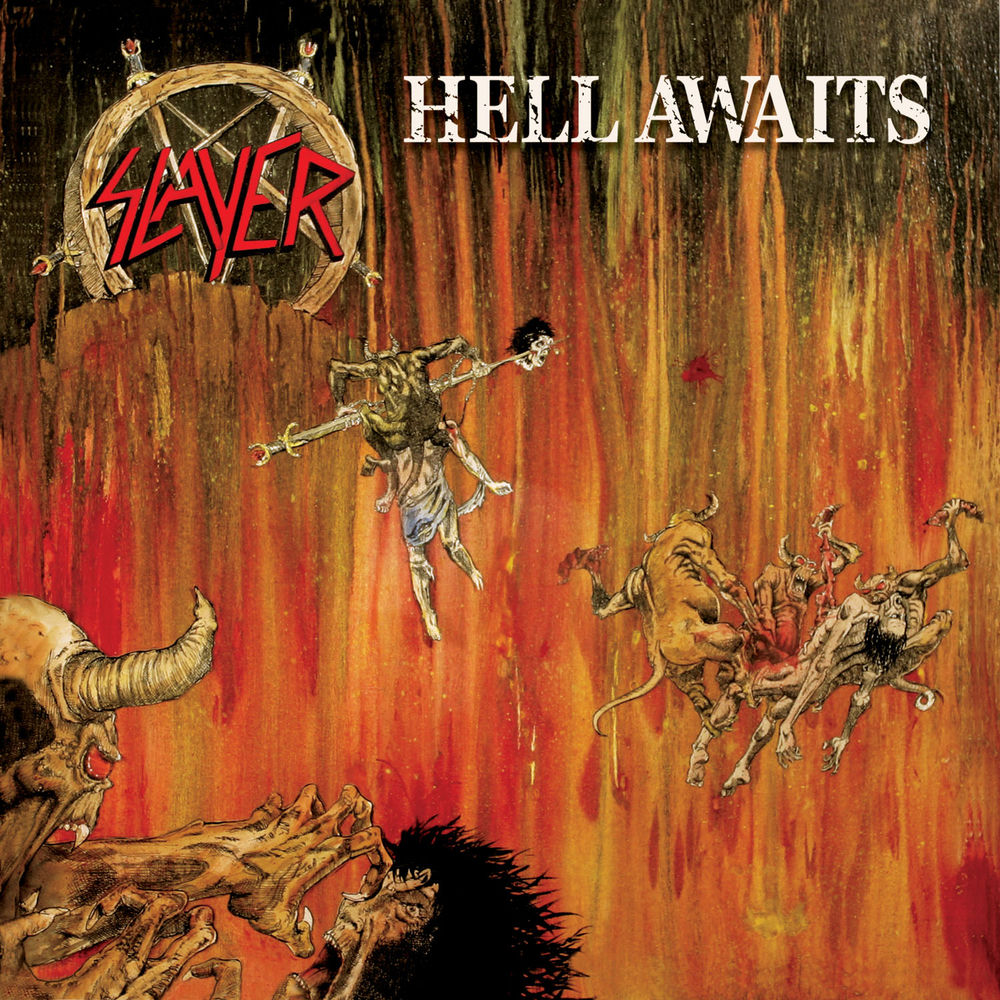
«Hell Awaits» was released on 8 April 1985, by then with a proper budget, and the tracks grew denser and more complex. In March 1985 they toured North America with Venom and Exodus, on the Combat Tour.
«Reign in Blood»
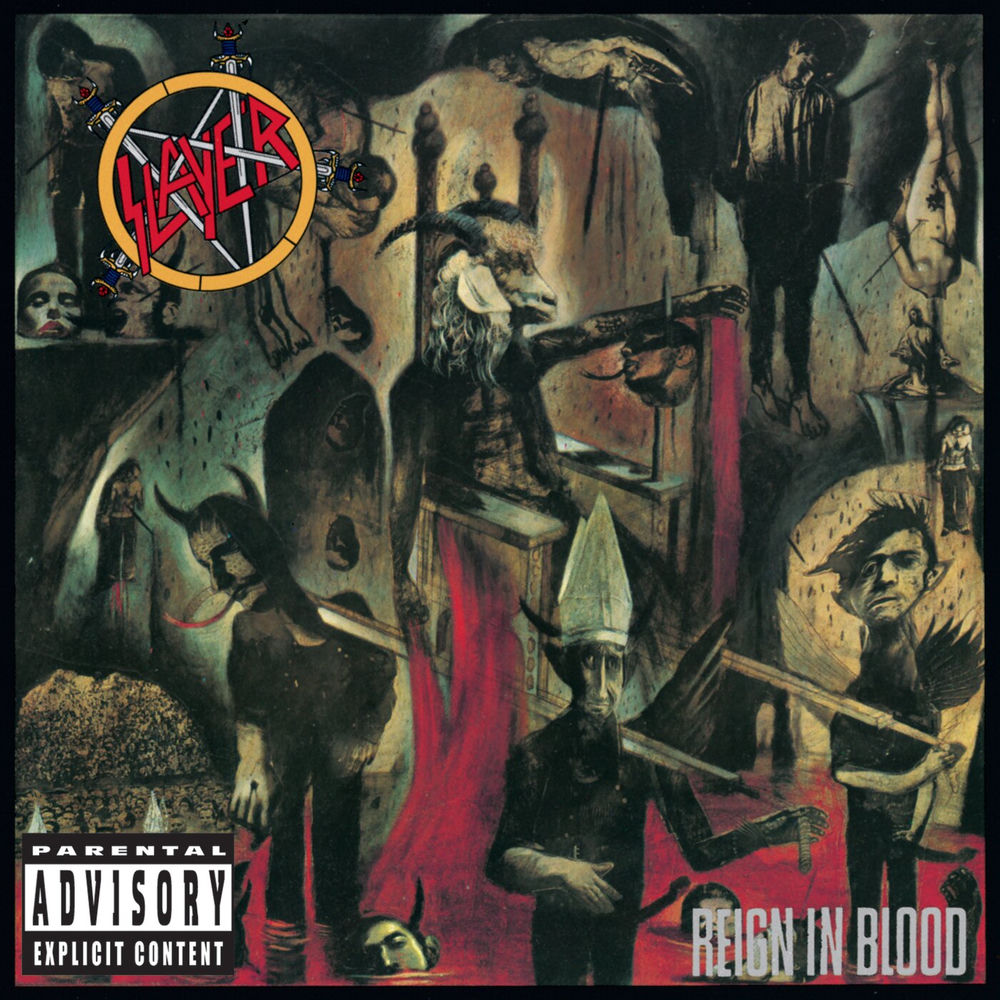
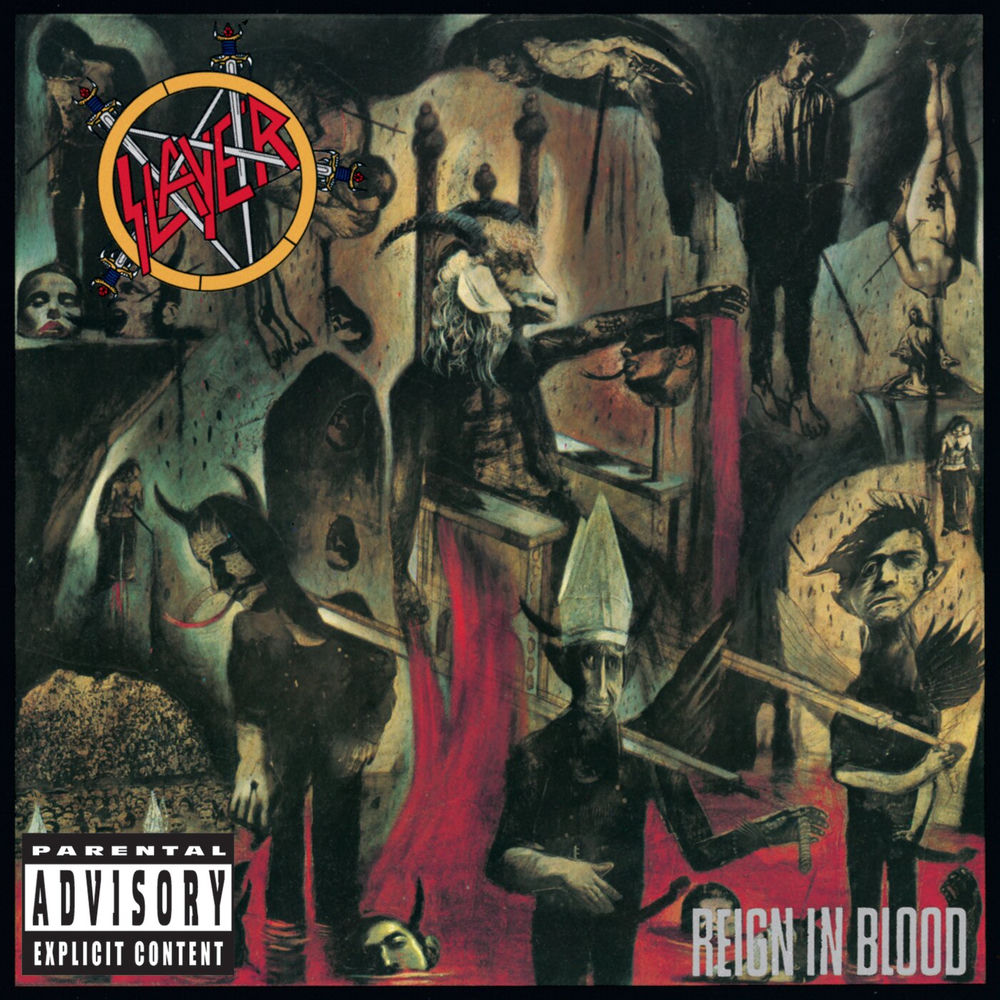
The big change came with producer Rick Rubin, who put them on Def Jam and asked for a cleaner, drier sound without reverb. «Reign in Blood» was released on 20 October 1986: 29 minutes at extreme speeds. «Angel of Death» and its lyrics about Josef Mengele’s experiments at Auschwitz caused an uproar and the distributor initially refused to release it; it eventually came out through Geffen and reached No. 94 on the Billboard 200, their first gold record in the US.
«South of Heaven» and «Seasons in the Abyss»
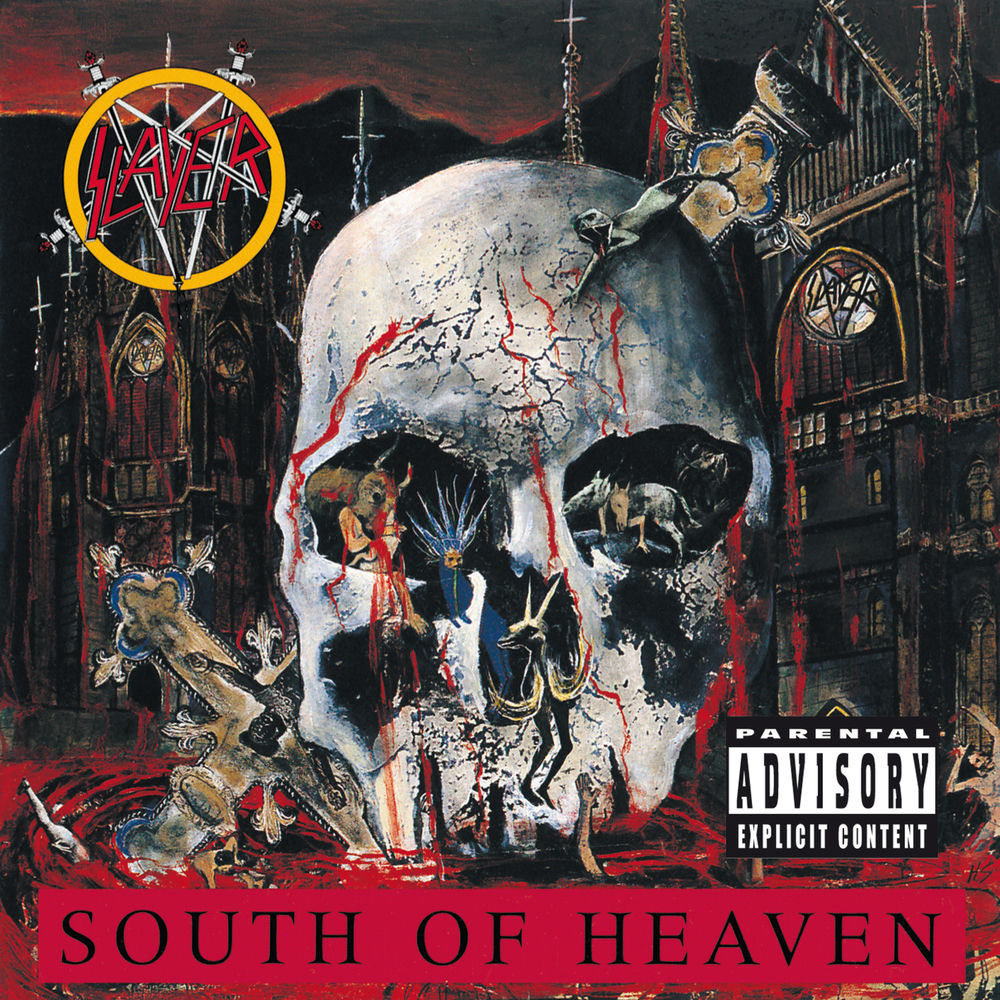
Rather than try to outdo «Reign in Blood», Slayer slowed down. «South of Heaven» came out on 5 July 1988, with mid-tempos and a dark atmosphere, and reached No. 57 on the Billboard 200.
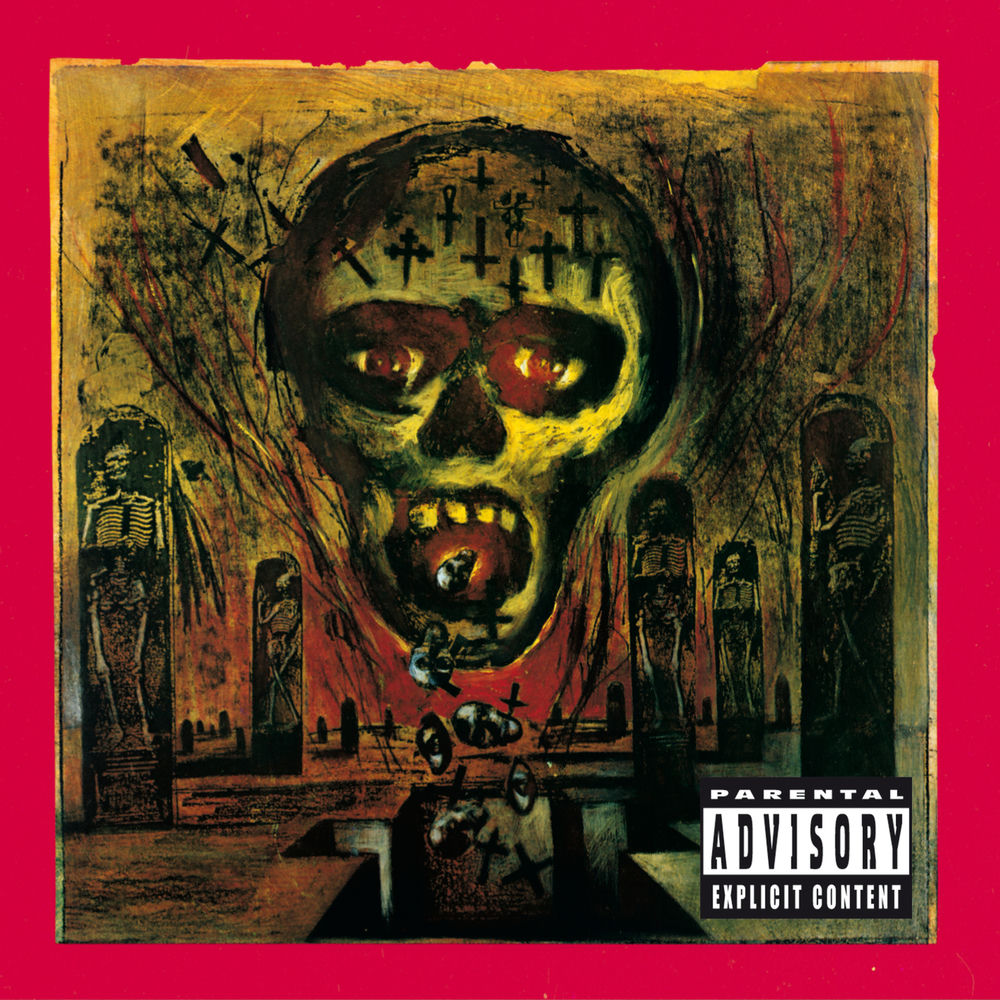
On 9 October 1990 came «Seasons in the Abyss», which married speed with heaviness. It reached No. 40 on the Billboard 200 and went gold in the US and Canada, and Slayer took part in the Clash of the Titans with Megadeth, Testament and Suicidal Tendencies.
The line-up changes
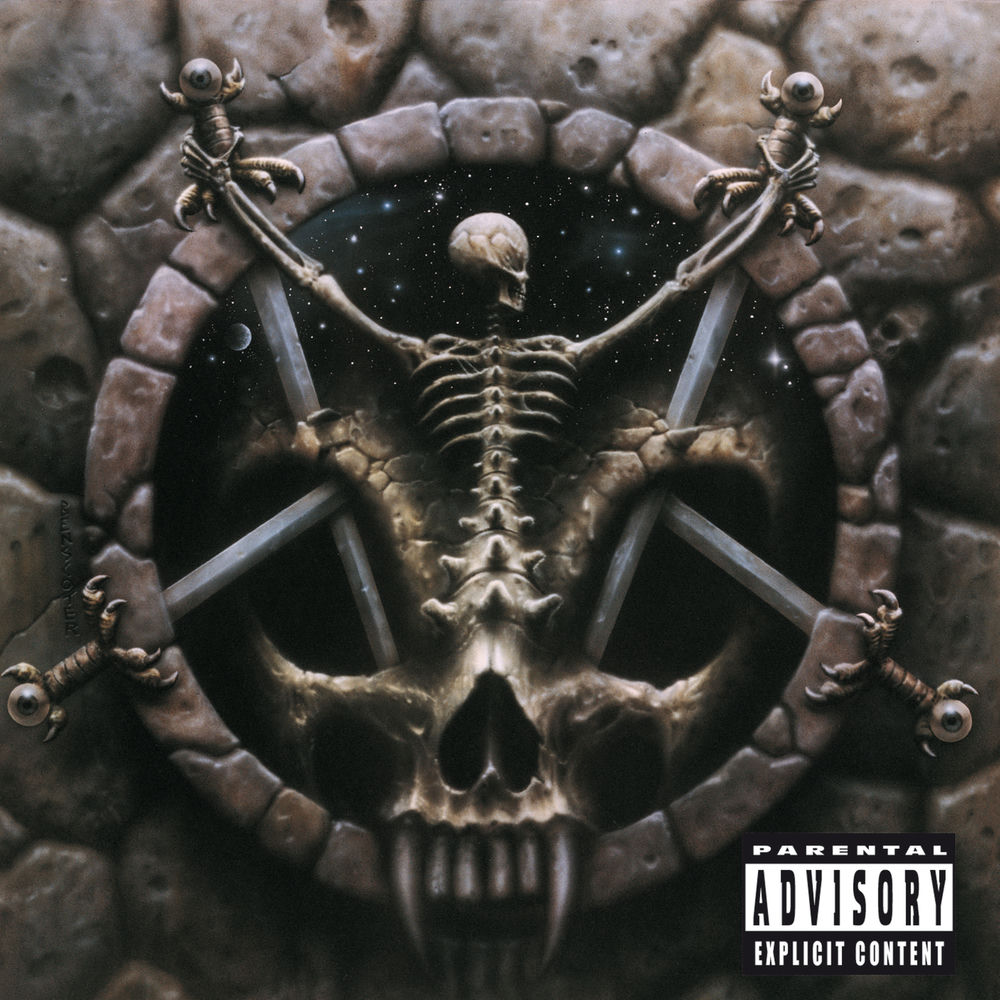
In 1992 Lombardo left and was replaced by Paul Bostaph of Forbidden. With him they released «Divine Intervention» in September 1994, which entered the Billboard 200 at No. 8.
Over the following years they put out four more albums, until Lombardo returned. In February 2013, shortly before festival dates in Australia, he was fired after a dispute over money, and in May Bostaph returned.
The death of Hanneman
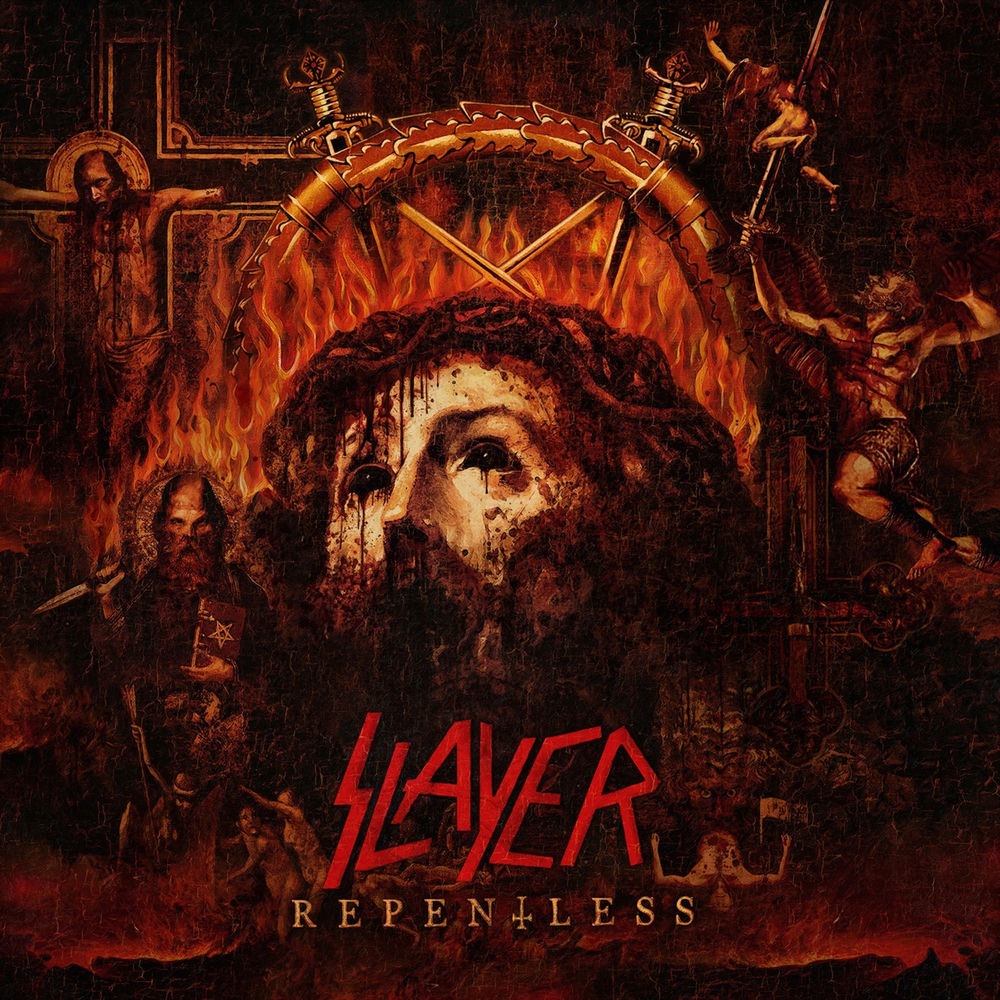
On 2 May 2013 Jeff Hanneman died of liver failure in a hospital near his home, at the age of 49. Since 2011 Gary Holt of Exodus had covered for him on tour, becoming a permanent member after his death. «Repentless», on 11 September 2015, was their first album without Hanneman.
The finale and the return
After Araya’s wish to stop touring, the band announced their farewell tour on 22 January 2018, with 147 shows around the world that finished in November 2019 at the Forum in Inglewood.
On 21 February 2024, though, they announced their first show since the split, for Riot Fest on 22 September 2024, with Holt and Bostaph. Since then the return has been limited to selected festival and anniversary appearances.
Slayer were never just a fast band: they showed that image, lyrics and sound could become a single whole, and the thrash metal that followed was built on what four kids from California made.
See also
See also: Slayer – Reign In Blood, the tribute to Venom’s discography that paved the way for extreme metal and the old school thrash albums that laid the foundations of the genre.