Thrash metal was born in the early 1980s, where punk met the heavy metal of Black Sabbath and Motörhead: speed, sharp riffs, aggression. It wasn’t a movement with a manifesto, but a series of records released within a few years, mostly in California and Germany, that slowly wrote the rules of the genre. All the extreme metal that followed was built on those recordings.
“`Two scenes pushed the genre forward. In the United States, the bands of Los Angeles and San Francisco brought speed and fury, while in Germany the so-called teutonic thrash added dirt, darkness and a dose of black metal. The records that follow aren’t a ranking, but milestones: each one opened the road a little wider for the next.
The foundations
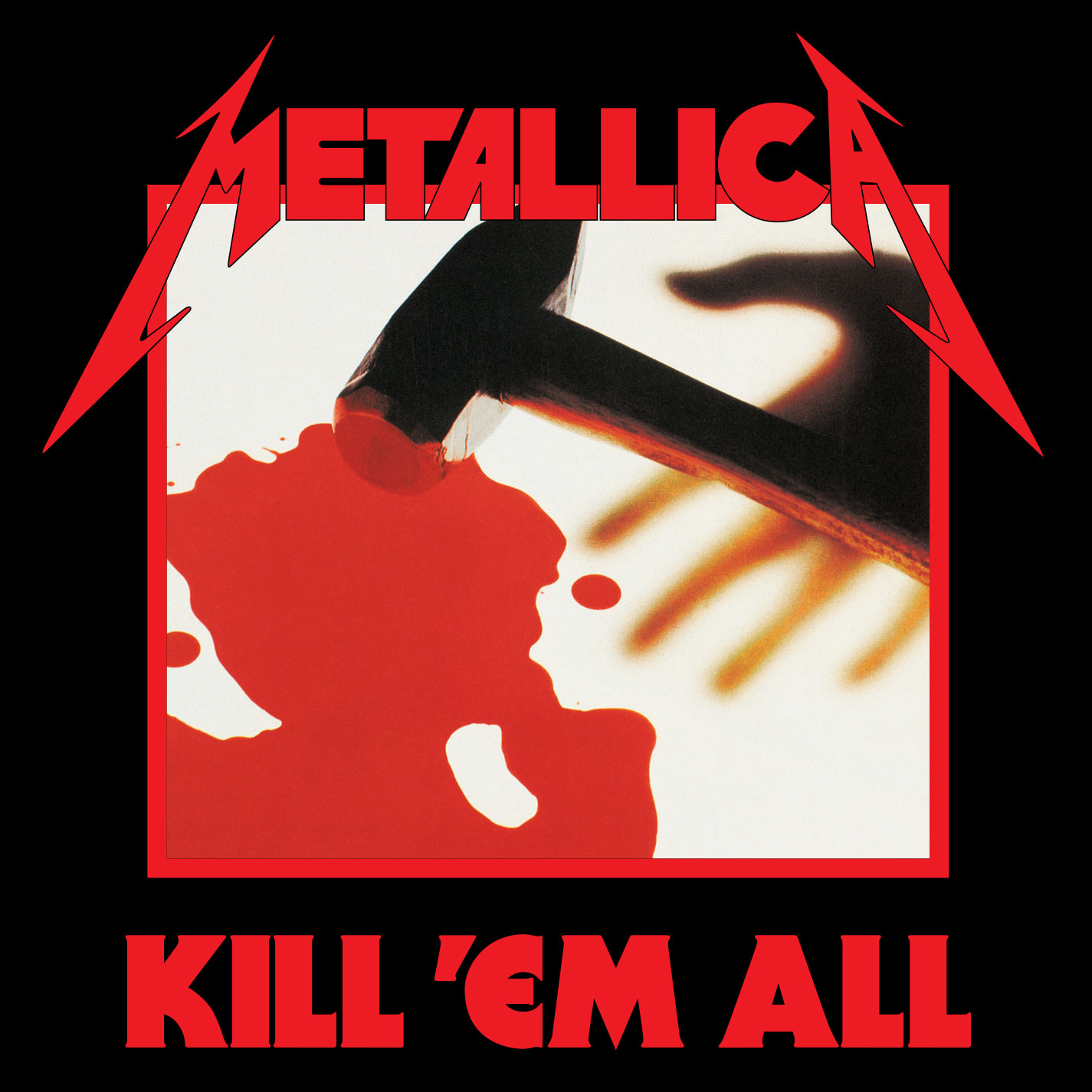
When «Kill ’Em All» came out in July 1983 on Megaforce, Metallica gave the genre a complete album that set the bar. Speed, sharp riffs and an energy that came straight from the underground clubs of Los Angeles showed that heavy metal could become far faster and more violent.
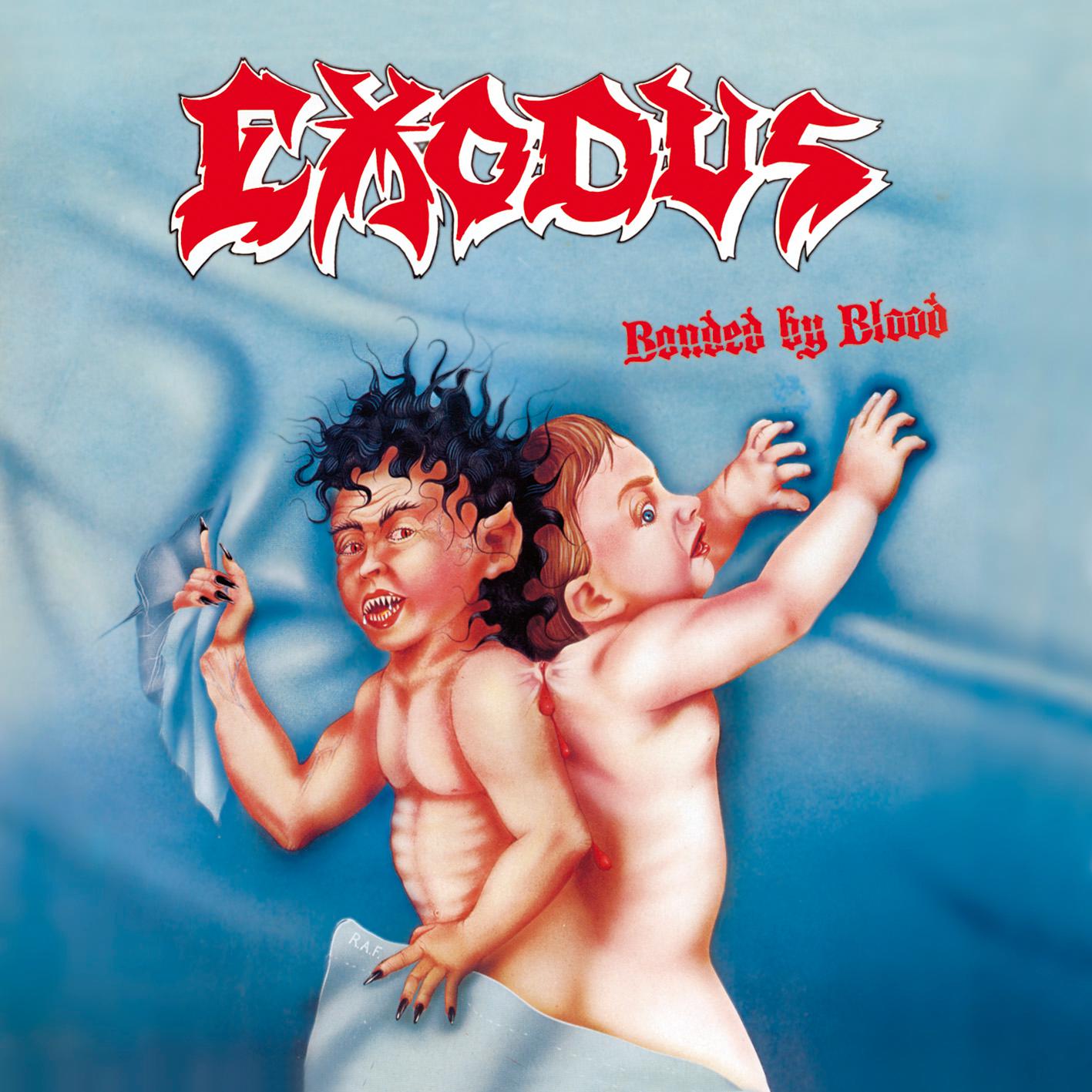
Shortly afterwards, «Bonded by Blood» by Exodus brought the savagery of San Francisco. The album had been finished by 1984 but came out in 1985 because of problems with the label, and became one of the most influential debuts of the scene. From Exodus, guitarist Kirk Hammett had moved on to Metallica, and he played on «Kill ’Em All».
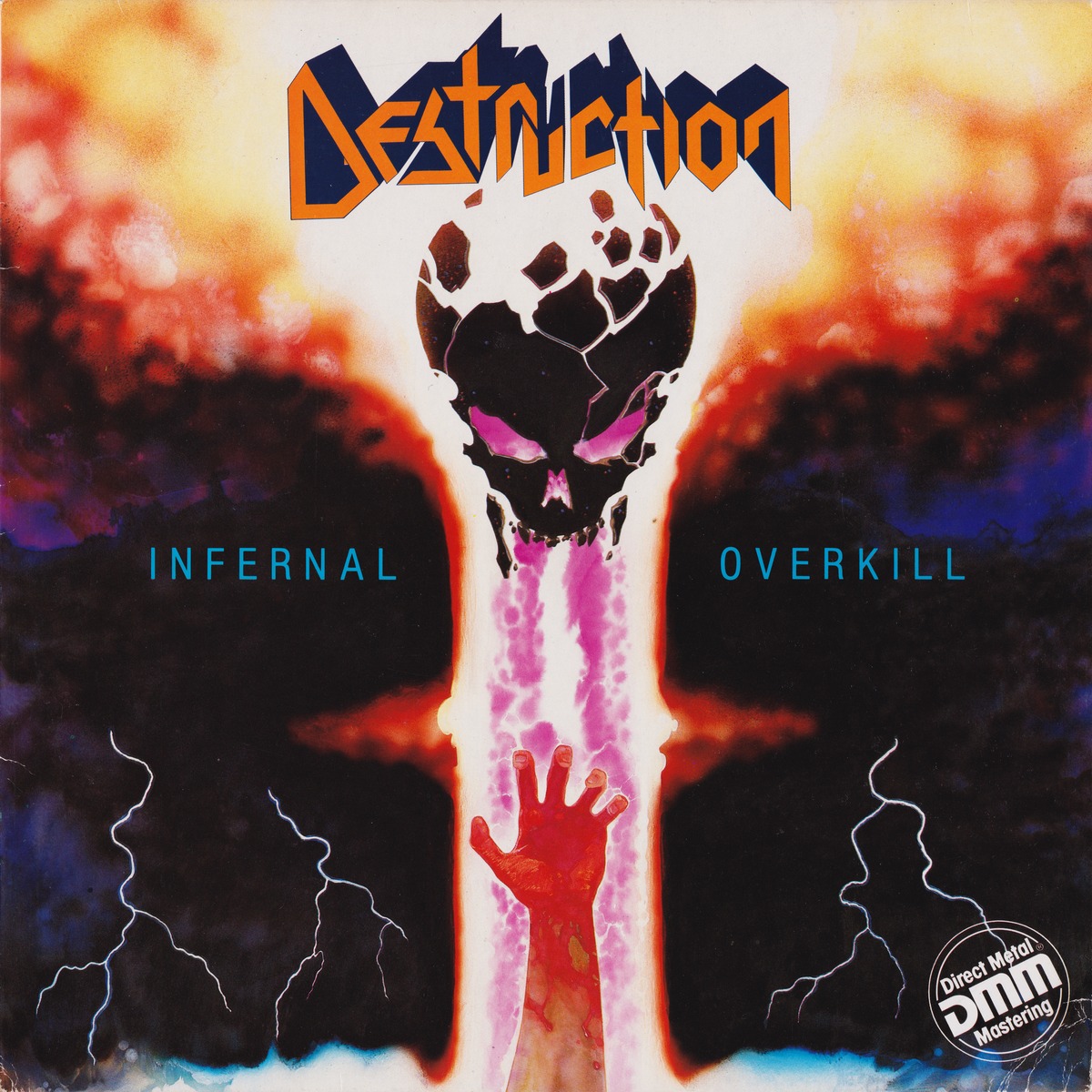
From Germany, «Infernal Overkill» by Destruction, in May 1985, gave the genre a dirtier, almost black metal version, with speed and atmosphere that went beyond clean heavy metal.
The year the genre picked up speed
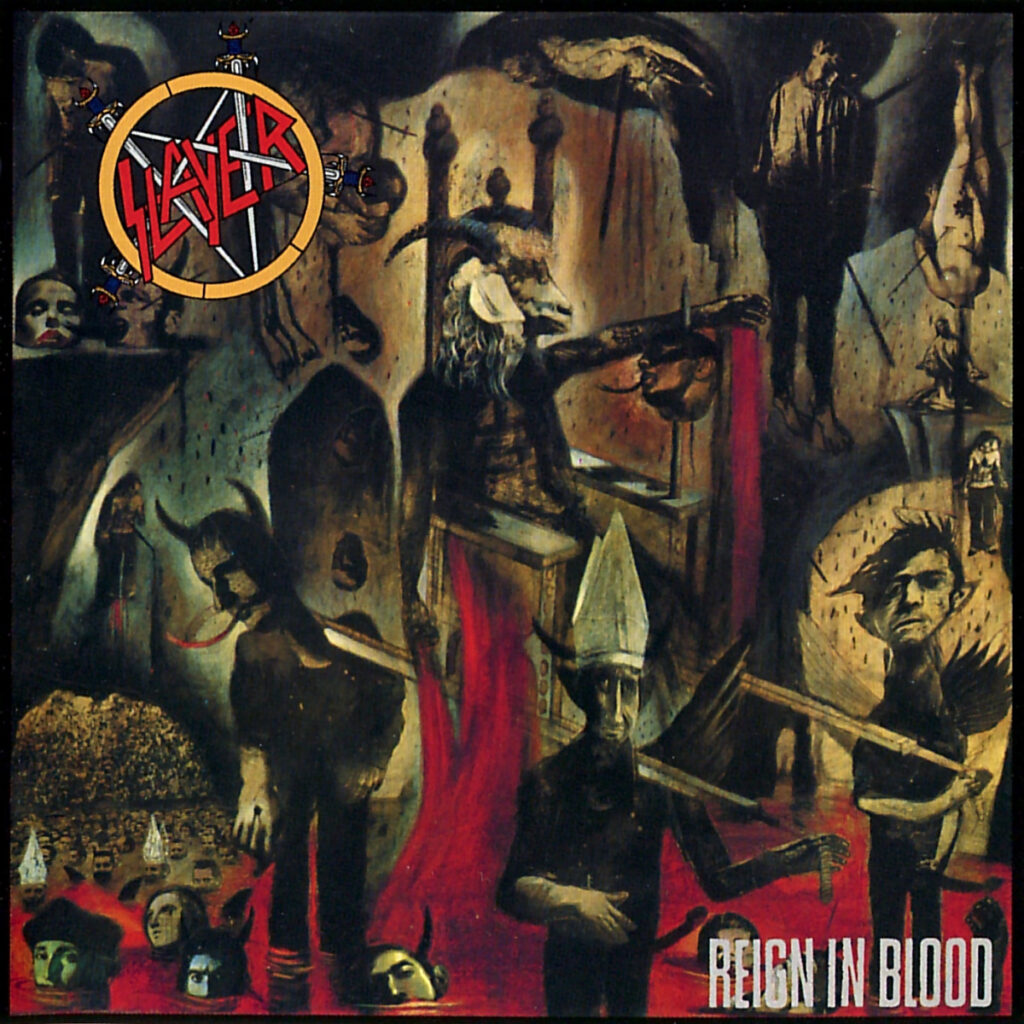
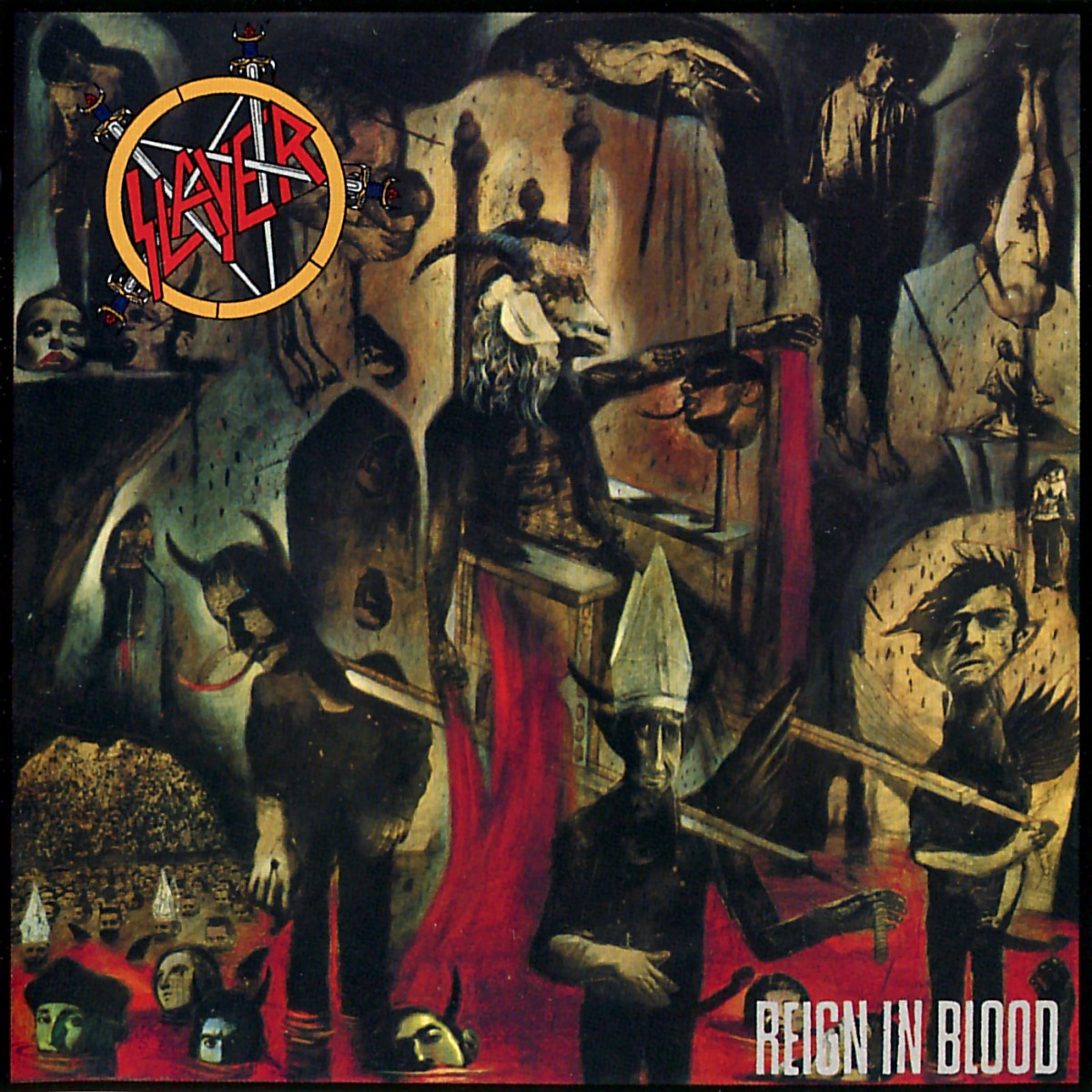
1986 was the turning point. «Reign in Blood» by Slayer, produced by Rick Rubin and released by Def Jam in October, defined just how extreme thrash could get: less than half an hour of music, with no room to spare. It is still considered one of the finest albums of the genre and influenced the whole of extreme metal.
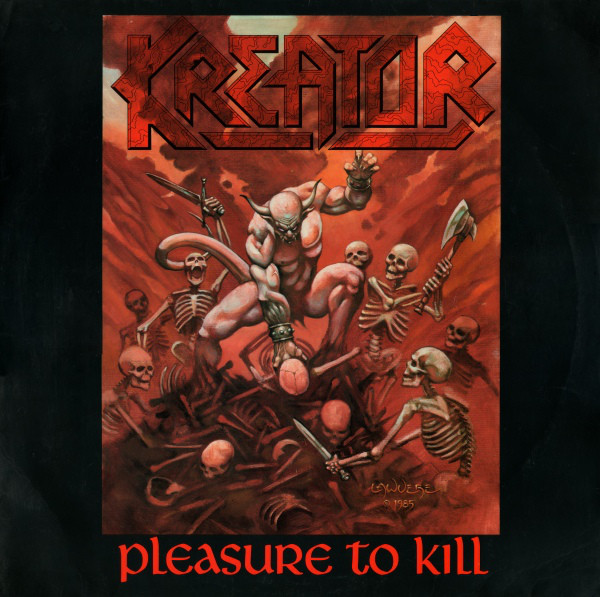
In November 1986 Kreator released «Pleasure to Kill» on Noise, and German thrash got its most violent record. Fast, dark and ruthless, it became a reference point for everything extreme that followed.
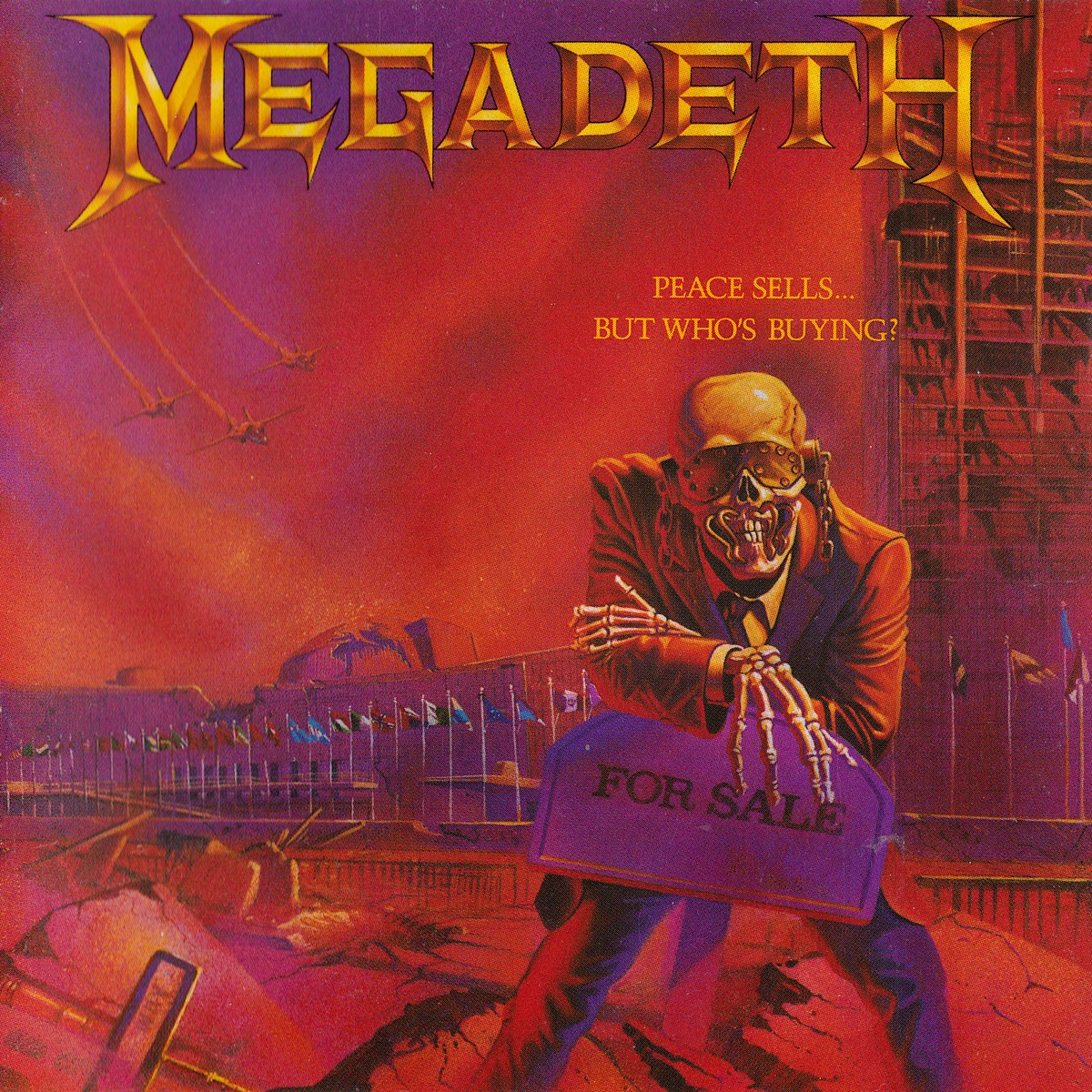
That same year, Megadeth released «Peace Sells… but Who’s Buying?» (September 1986, Capitol). Dave Mustaine brought more complex compositions and technical skill, showing that thrash could also be intricate.
The breakthrough
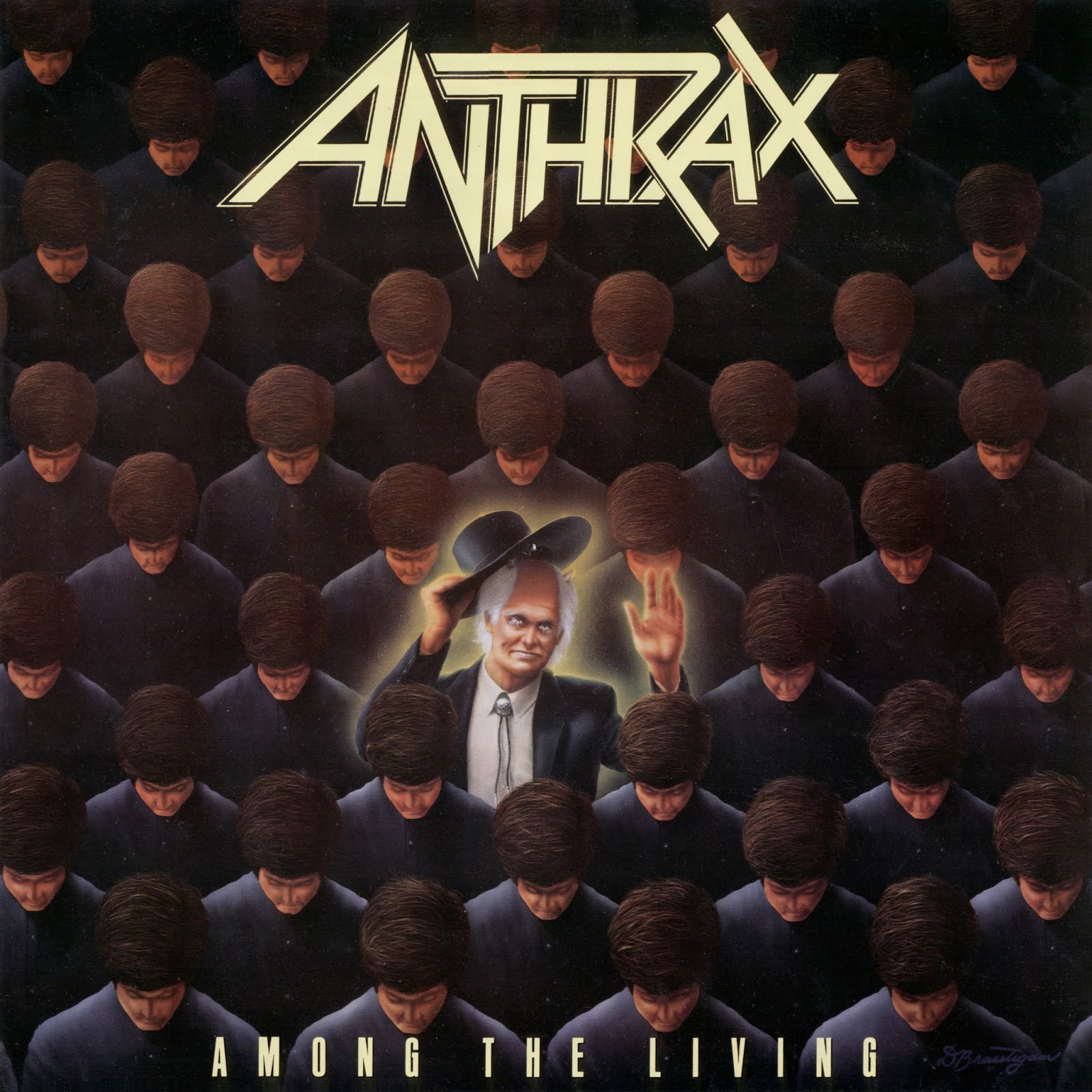
With «Among the Living» (March 1987) Anthrax reached their peak. The album is dedicated to Cliff Burton of Metallica and showed a band with humour, comics and groove, without losing any of its aggression.
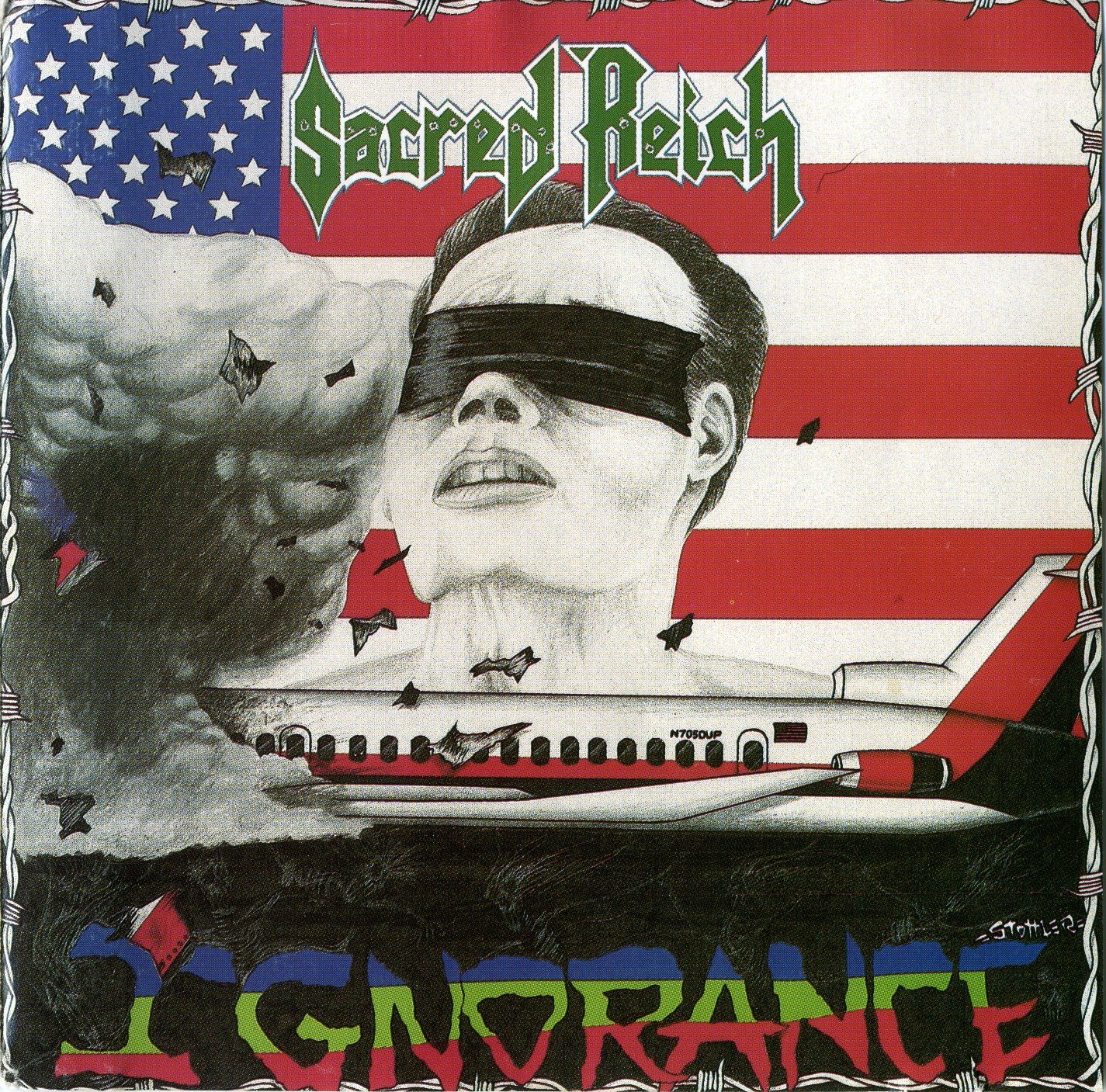
«Ignorance» by Sacred Reich (October 1987, Metal Blade) brought political lyrics and a sound close to Slayer, but with an identity of its own.
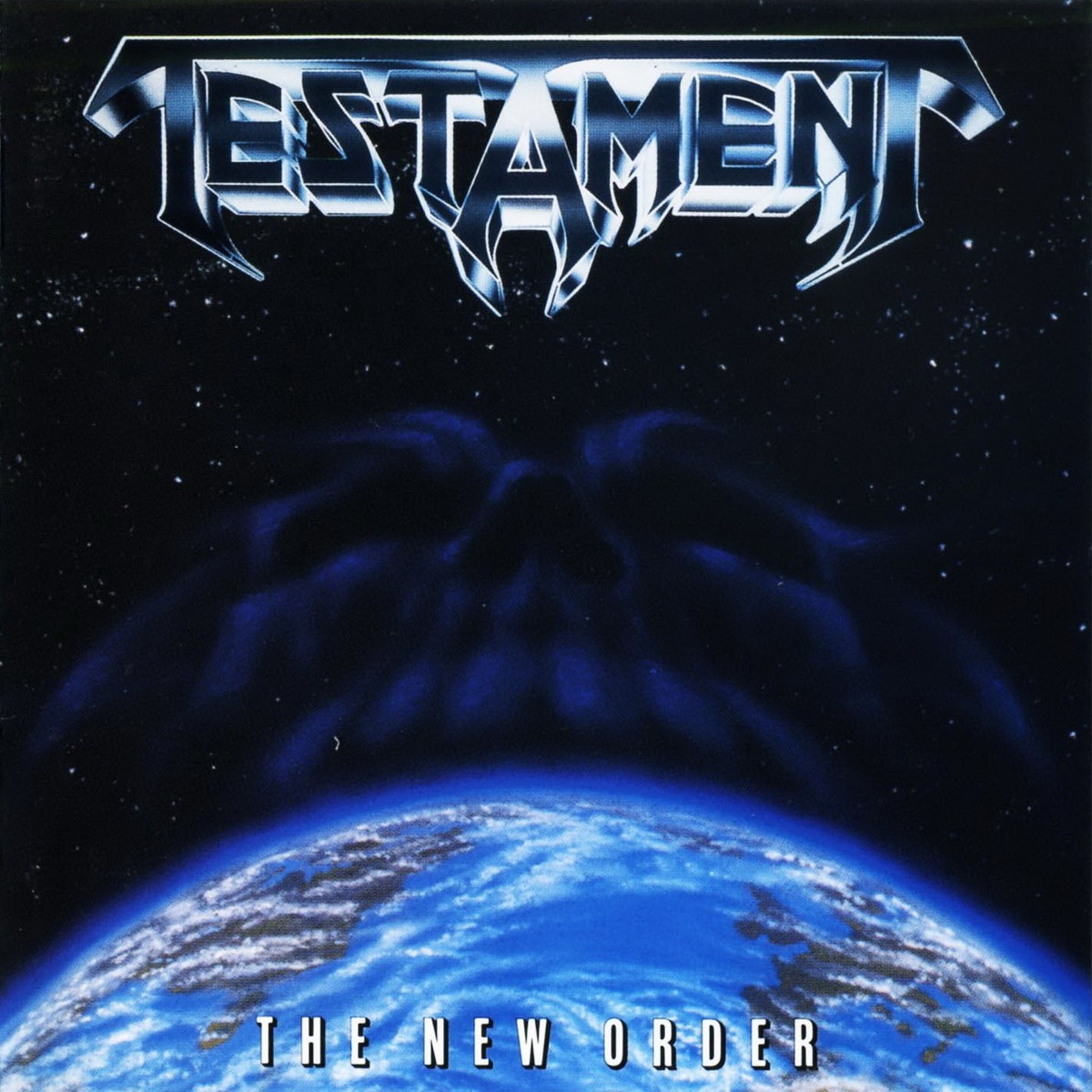
«The New Order» by Testament (May 1988) showed a band taking Bay Area thrash and making it more melodic and better written, which put them on the Billboard 200.
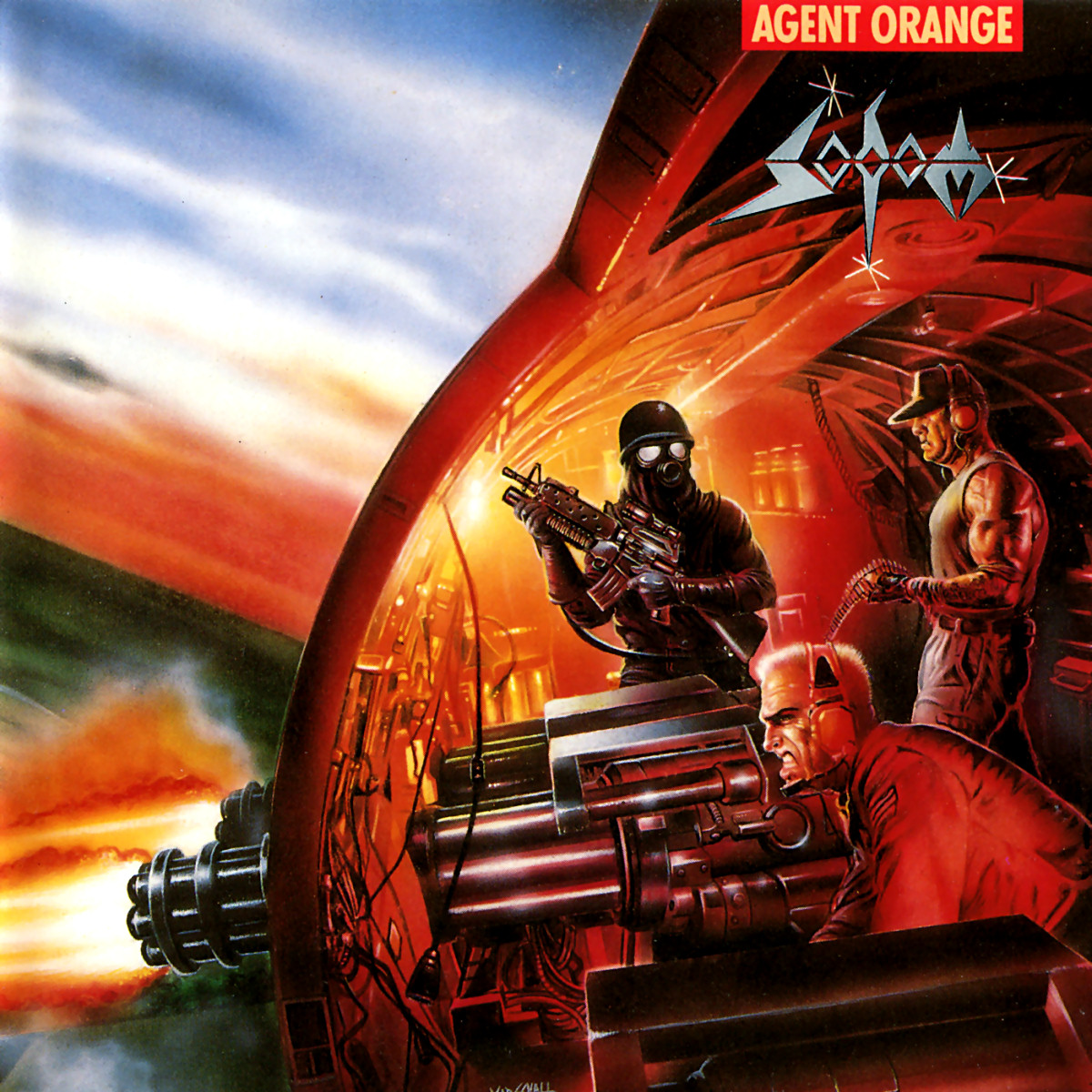
On 1 June 1989 Sodom released «Agent Orange» on SPV/Steamhammer, an album inspired by the Vietnam War that showed how close German thrash comes to black metal.
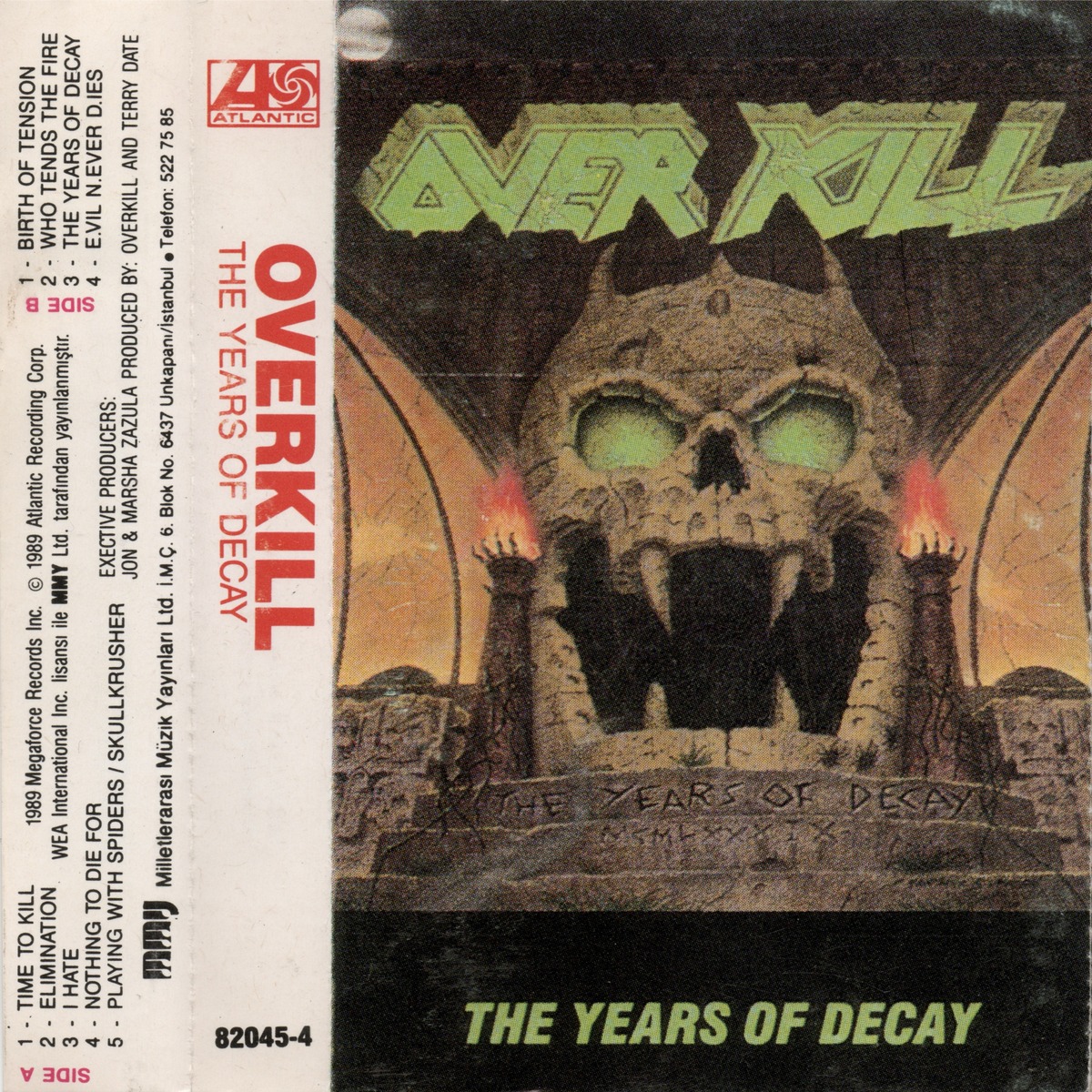
In October 1989 Overkill released «The Years of Decay». With a heavier, doom atmosphere and great variety, it was the moment the New York band showed the genre still had room to grow.
The closing of an era
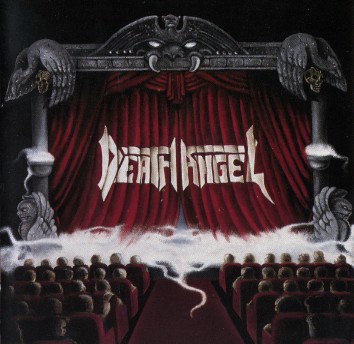
«Act III» by Death Angel (1990, Geffen) closed the great period of the genre. More complex, with acoustic passages and influences beyond thrash, it showed where the scene could go, just before the roads diverged.
Alongside these records, bands such as Coroner, Tankard, Dark Angel, Flotsam and Jetsam and Annihilator added their own brick. Old school thrash wasn’t one album or one band: it was a series of recordings that came out within a few years and taught the whole of metal how fast, dirty and true it could become.
See also
See also: the tribute to Venom’s discography, what Kyle Thomas of Exhorder had to say and the statement by Chuck Billy of Testament.