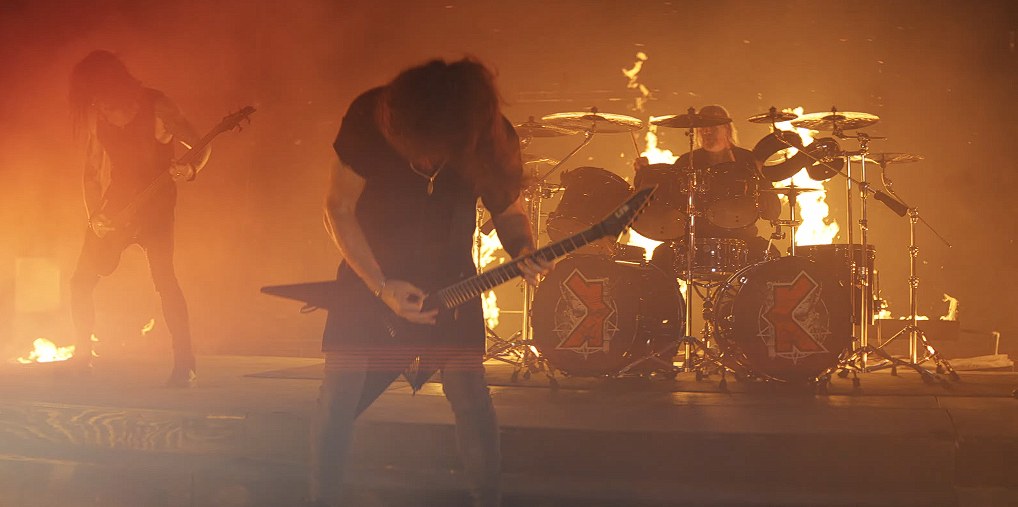
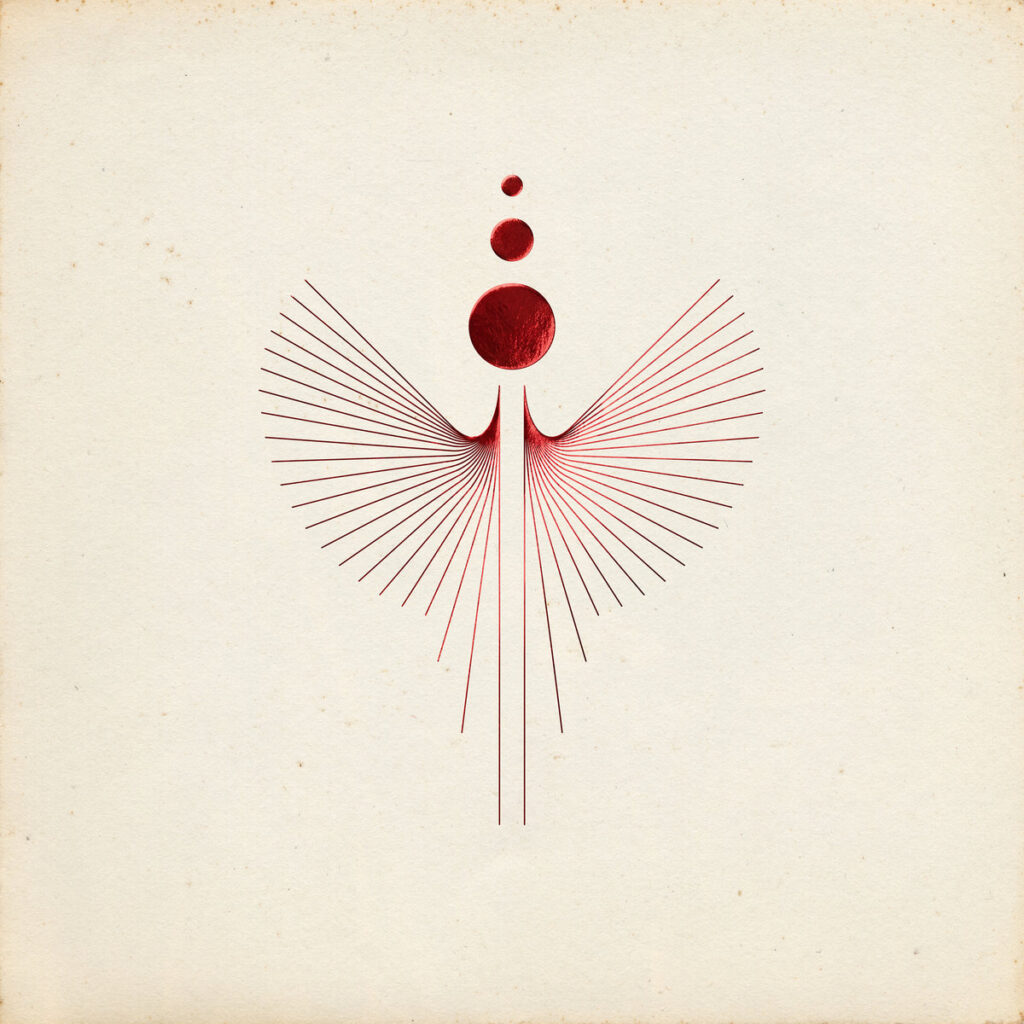
The Ocean return with their eleventh album, “Solaris”, which was released on September 25 via Pelagic Records. The record arrives after 2023’s “Holocene” and with several line-up changes — among them the departure of singer Loïc Rossetti.

Country: Germany
Genre: Post-Metal, Progressive Metal (mixed vocals)
For fans of: Mastodon, Cult of Luna, Isis
“Solaris” leans heavily on its sound: the mixing and mastering were done by Jens Bogren and give it a cinematic scale. The opening track, “52°30’11″N, 13°26’12″E”, opens with vibraphone and the brass and strings slowly fill the space, until the build explodes into the first heavy riff of “Departure Song”. On vocals, Enrico Tiberi and Lane Shi (Otay:Onii) share the role.
The post-metal peaks tie in naturally with the album’s more progressive moments and the big crescendos keep the dynamics we know from the band. Anyone who loves the “Phanerozoic” era will get stuck on the chorus of “Light Pollution”, on the second half of “Simulacra” — the longest track of their career — and on the bluesy finale of “Ultima Esperanza”.
Our take
“Solaris”‘s problem is not its ideas but their length. Across its 70 minutes, the album seems not to trust its own material: “Simulacra” reaches 18 minutes and keeps circling back over weak ideas, “Departure Song” closes with two minutes of the same riff, and “Light Pollution” stretches a verse-chorus structure to ten minutes. All three have good moments — the point is they need fewer minutes. Bogren’s mix and the performances hold the album up, but its flow does not have the intensity of its best moments.
To wrap up
“Solaris” takes patience to listen through to the end: it has the sound, the performances and moments that remind you why The Ocean hold the place they hold, but it takes a long time to show all of it.
See also
Playgrounded – A Flower To Water · August 2026’s albums: Prog, death, power