Οι 12 μεγαλύτερες αντιδράσεις στην ιστορία του metal | Metal Territory
26/09/2026
Every so often, heavy metal manages to fall out with the rest of the world. Sometimes because a band actually did something bad, and other times because someone read a lyric or a photograph in the worst possible way — the result was always the same: TV panels, politicians, canceled concerts and piles of records in the trash.
This is the list of the twelve biggest reactions the music has known, from the years when parents burned records to the era when a single tweet is enough to start a panic.
12. Marilyn Manson: the accusations, the investigation and the return
In early 2021, the actress Evan Rachel Wood publicly accused Marilyn Manson of sexual abuse and psychological violence, and within the following days about ten more women spoke of abusive relationships with him.
His record label stopped promoting his latest album, the CAA agency dropped him, and scenes from series he had filmed were cut in editing. He himself denied the accusations, saying the reports were coordinated to destroy his career.
In January 2025 the criminal investigation closed without charges, but under a California law one of the lawsuits was revived and is headed to civil court in November 2027. Meanwhile, since 2024 he has been back on stage sober.
11. Phil Anselmo’s salute
In 2016, at the Dimebash concert in memory of Dimebag Darrell, Phil Anselmo shouted “white power” and raised his hand in a nazi salute. He later claimed it was a joke prompted by the wine they were drinking backstage, but nobody believed him.
The outcry also came from within: Robb Flynn of Machine Head put out an 11-minute video refuting the wine version, Scott Ian of Anthrax called his behavior disgusting, All Shall Perish condemned the incident and Kerry King of Slayer said the reactions were justified.
Shows by him and by Down were canceled around the world, the band went on pause, and Anselmo apologized with a video and with a statement on his site. In 2022 the return of Pantera was announced with Zakk Wylde, Rex Brown and Charlie Benante.
10. “Load” and Metallica’s image change
Until the early years of Jason Newsted, Metallica were the favorite band of underground thrash. Then came the “Black Album”, more mainstream, and the audience agreed to accept it — but not to go any further.
When the photos for the next album, “Load”, were released, they showed four men with short hair, eyeliner and expensive clothes. The audience took a while to realize that these were James Hetfield, Kirk Hammett, Lars Ulrich and Jason Newsted, and the image of the “serious” thrash band fell apart.
The change was so big that the photos on their own became an international topic of discussion, before a single song from the album had even been heard.
9. Lars Ulrich, Napster and suing the fans
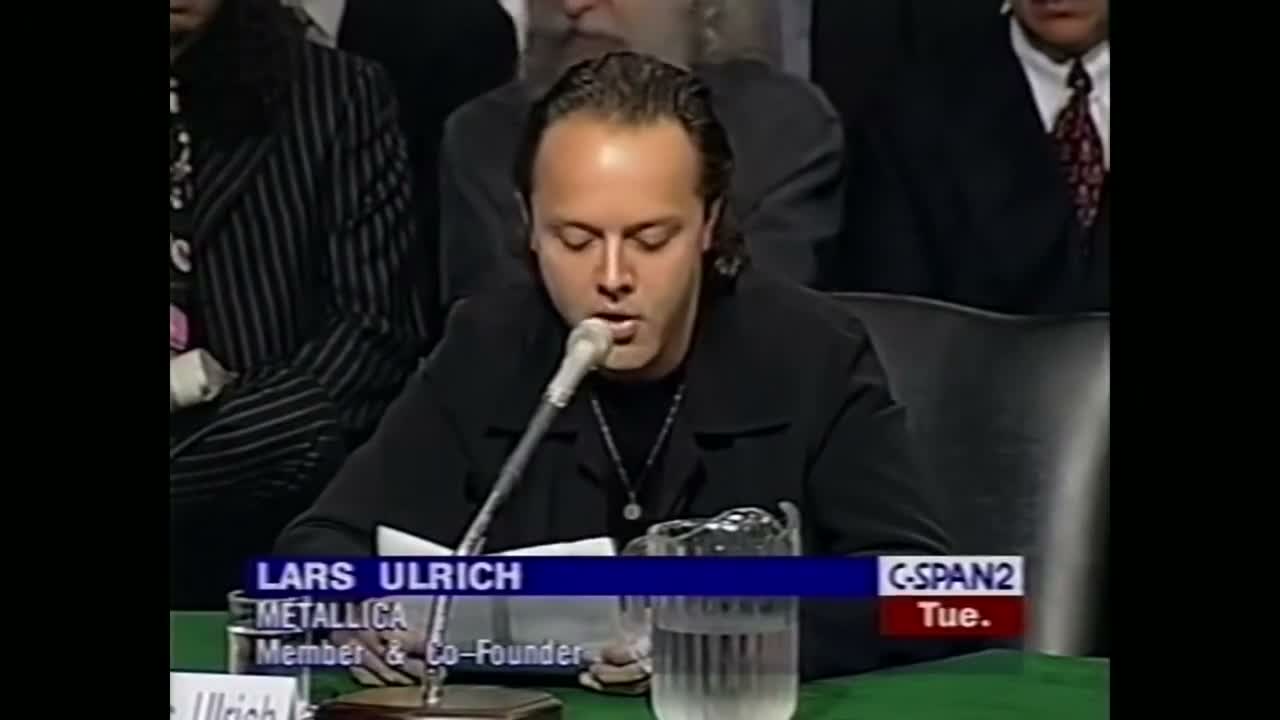
In 2000, when Napster made music available free to everyone, Metallica filed a lawsuit: an as-yet-unreleased song of theirs had appeared on the network. The band’s argument was that an artist must control when his work comes out, and that free distribution would make it impossible for the next generations to live off music.
The public, however, saw it differently: millionaire rock stars with private jets suing students with no money. The biggest pressure was borne personally by Lars Ulrich, who defended the lawsuit in court and became the face of the story.
In 2001 Metallica and Napster settled out of court, but in the meantime the rest of the industry had also sued, with the result that the network shut down. In the streaming years the story is read differently, but back then it was considered a betrayal.
Lars Ulrich testifies at a US Senate hearing on music piracy (C-SPAN2, 2000)
8. Alice Cooper’s chicken
In 1969, at the Toronto Rock and Roll Revival, Alice Cooper’s show was still a bunch of feathers, glitter and balloons. At some point Cooper saw a live chicken on stage, took it and threw it into the audience — thinking, as he himself says, that it would fly over the heads.
The chicken didn’t fly. The audience tore it apart, and within a day the newspapers were writing that the shock rocker had bitten off the chicken’s head and drank its blood on stage. Almost everyone believed it.
Frank Zappa advised him not to deny it, so Cooper kept the story and turned it into publicity: all the teenagers who wanted to see the “chicken killer” started going to his concerts. It is the only outcry on the list that grew a career instead of shrinking it.
7. Body Count’s “Cop Killer”
In 1992, Ice-T was one of America’s best-known rappers, a fan of Slayer and Suicidal Tendencies, and he put out the debut of his hardcore band, Body Count. One track on the album was called “Cop Killer” and provoked the most organized reaction of the decade.
Police unions called for a boycott of Time Warner and all its companies, President Bush and Vice President Quayle spoke publicly against the song, and Charlton Heston of the NRA read the lyrics to company executives. In 1992, Body Count were removed from the Guns N’ Roses and Metallica concert lineup in Los Angeles, while in San Diego the police sent an official letter to Ice-T asking him not to play it.
Ice-T defended it as freedom of expression, saying the track was about racists and corrupt police officers, but in the end he himself asked for it to be removed from the album, because employees of the company and record stores received threats. Live, Body Count still play it — on the streaming platforms it doesn’t exist.
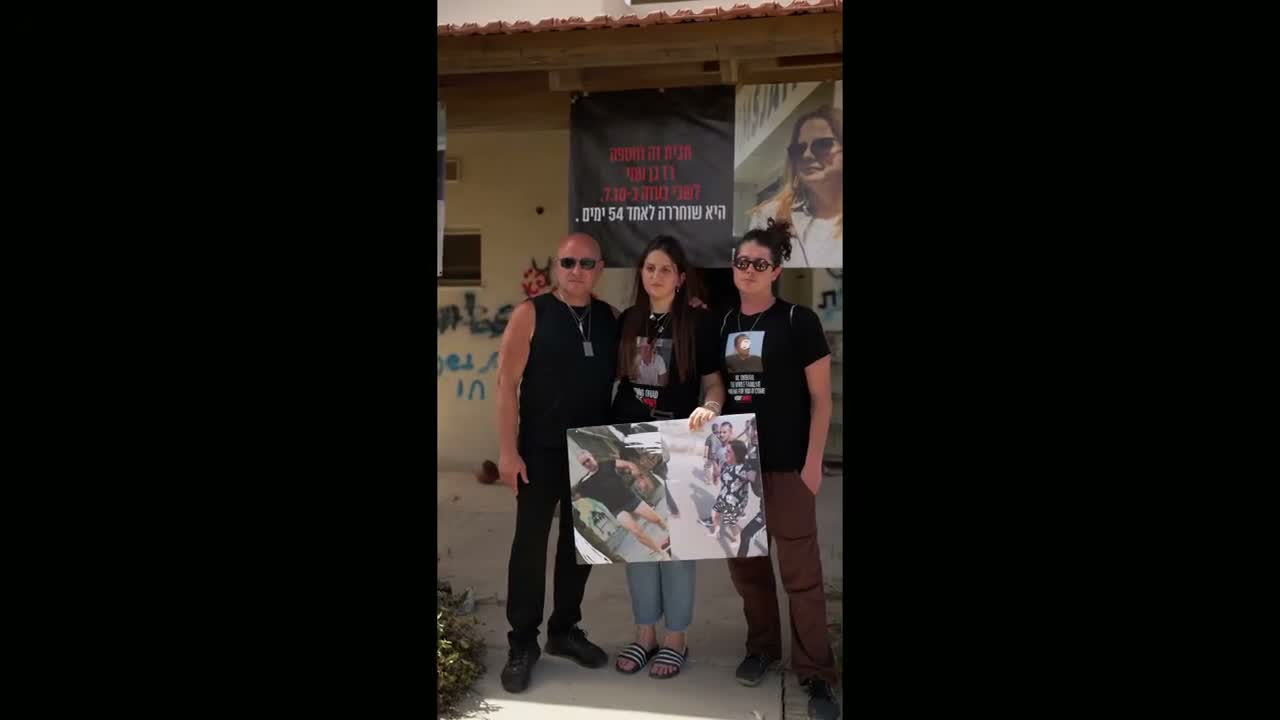
Protest with hostage posters after the attack of October 7, 2023
6. David Draiman, Israel and the end of touring
The singer of Disturbed is known for his views and doesn’t hold them back. After the October 7, 2023 attack in Israel, he traveled to the country, with the main purpose of seeing his own people, speaking out against antisemitism and demanding the release of the hostages.
The photo that lit up the discussion was from a visit to an IDF base near the border with Gaza, where he wrote on a missile. The comments accused him of signing the death of civilians, although no one could know where the missile would end up. He himself responded that Jews have the right to defend themselves.
The actor John Cusack and Roger Waters publicly criticized him, in 2025 a Disturbed concert in Brussels was canceled by decision of the mayor, and when he appeared at Ozzy Osbourne’s final concert there were boos from part of the audience. In November 2025 the band announced a long break from touring, with Draiman saying they simply wanted time for new music.
5. Tim Lambesis and the As I Lay Dying case
In the early 2000s, As I Lay Dying were among the bands that defined metalcore. Everything stopped in May 2013, when Tim Lambesis was arrested for trying to hire a hitman to kill his ex-wife — except the person he was talking to was an undercover police officer.
He was sentenced to six years in prison and the band broke up. He got out in 2016 and revived As I Lay Dying, but the other original members left, citing a bad atmosphere, and the new lineup he brought in lasted about two years.
In October 2024 the new musicians all resigned together, an entire tour was canceled, and videos from his home were released. The band continues with its most loyal fans, but it hasn’t been invited to festivals or tours in the West.
4. Jon Schaffer and January 6
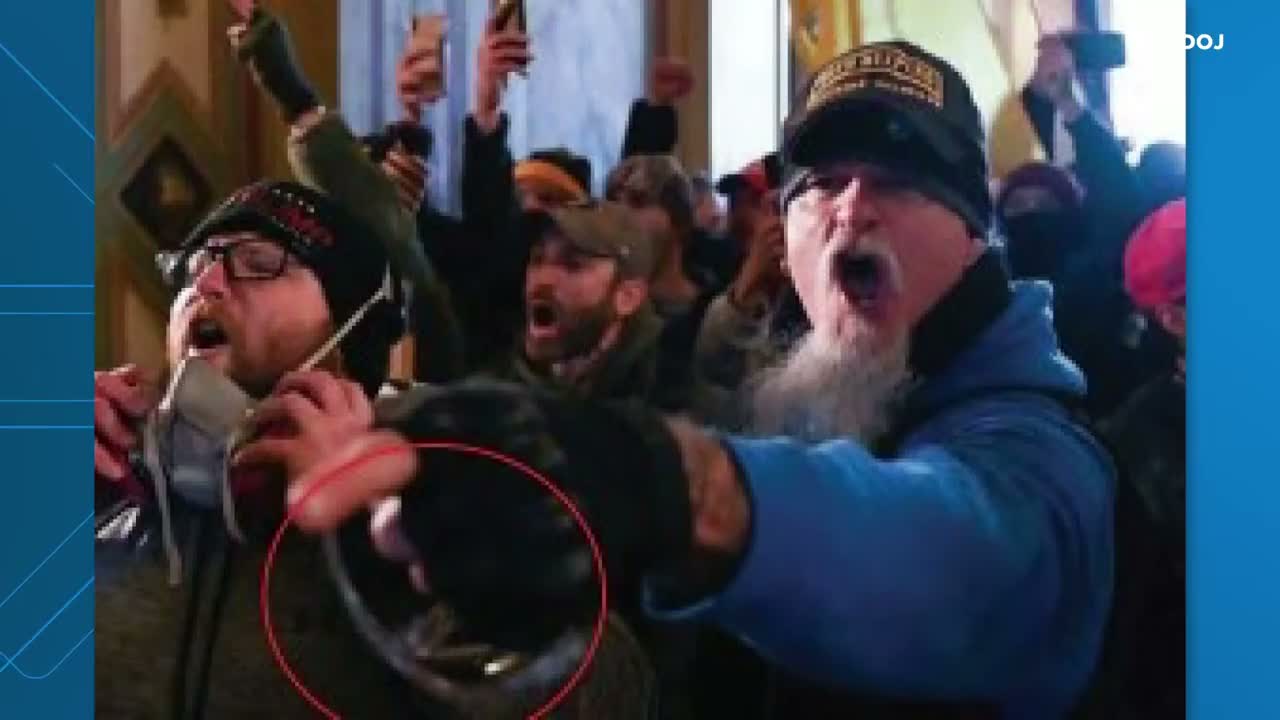
Iced Earth were among the most important American speed metal bands, with a fanatical audience in Europe too. On January 6, 2021, when the world saw the photos from the storming of the Capitol, metal fans immediately recognized one face: their founder, Jon Schaffer.
The other members of Iced Earth condemned the events and left, Hansi Kürsch of Blind Guardian withdrew from Demons & Wizards, and their label Century Media dropped both bands. Schaffer turned himself in a day later, stayed three months in jail until he was released on bail, and was sentenced to three years of probation.
He was later pardoned, so formally he has no criminal record, but the damage to his career remained: he doesn’t play at big festivals and tours and continues with Sons of Liberty, his own political project.
TV footage from the storming of the US Capitol, January 6, 2021
3. Fred Durst and Woodstock 1999
Woodstock 1999 was held for the festival’s 30th anniversary, with a completely different logic from 1969, and with a lineup that had Korn, Metallica, Rage Against the Machine, Megadeth, DMX and Limp Bizkit. The crowd was already wild when Limp Bizkit played “Break Stuff” and people started breaking whatever they could find.
In the days that followed, the media and MTV put the weight on Fred Durst: that he stirred up the crowd and that the images from his concert were on the same night as the fires. The fires and the worst riots happened a day later, when others were on stage, and the organizers had already lost control of the site.
Durst’s reputation took a big hit, but the band came out winning: their album rose to number one, and over time the public concluded that the organizers of the festival bore the largest share of responsibility.
2. Marilyn Manson as scapegoat
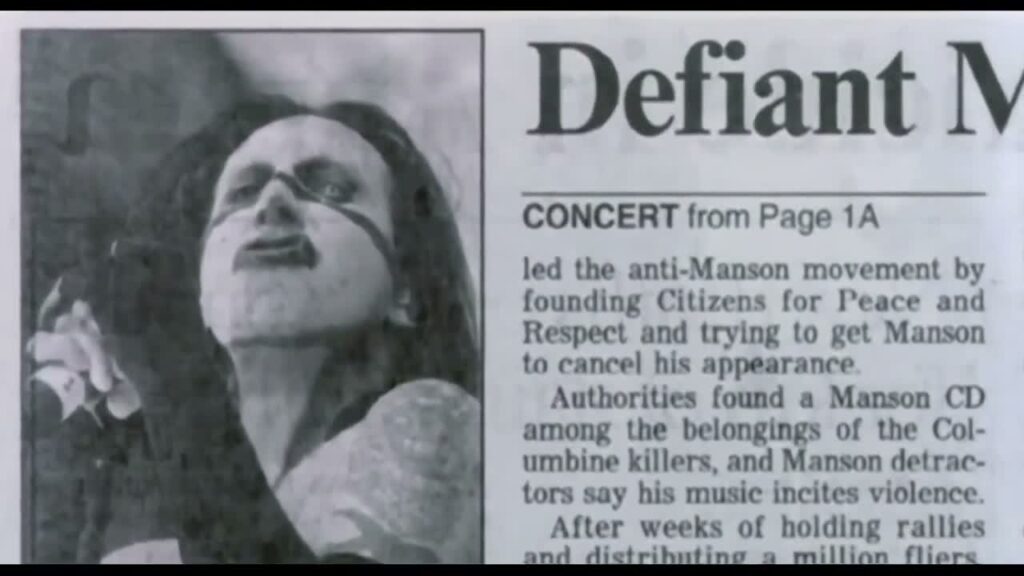
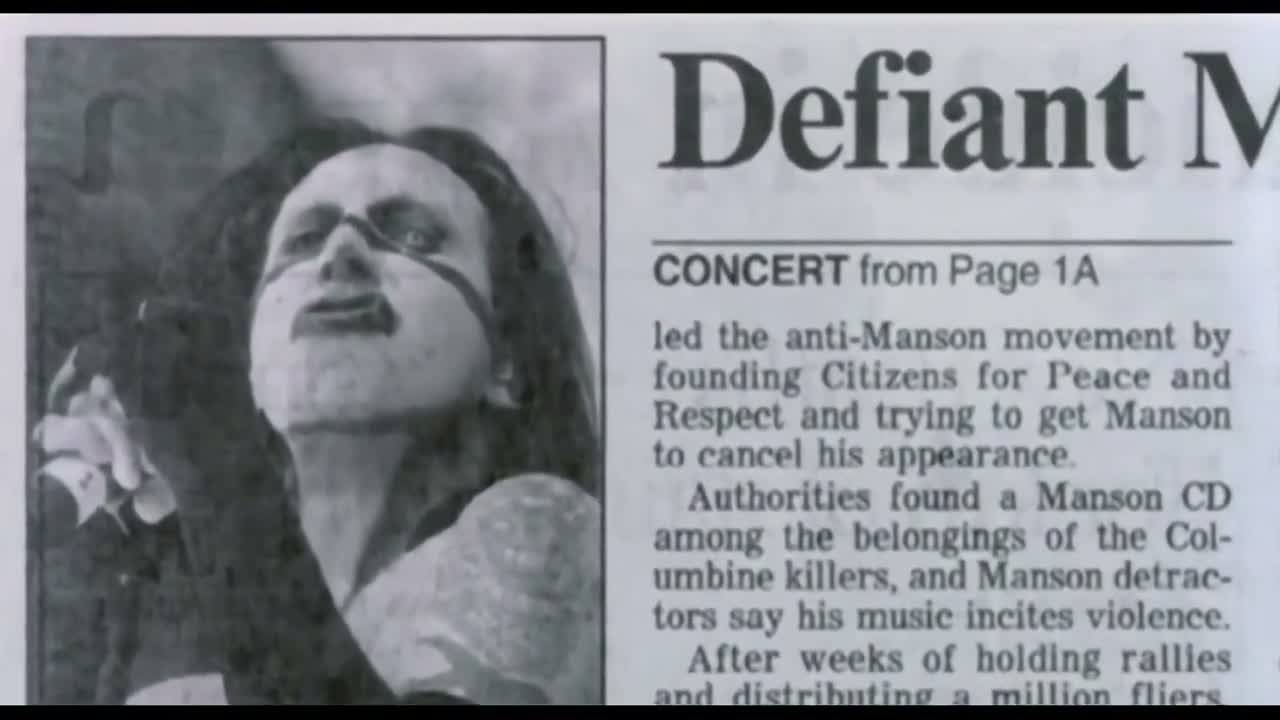
On April 20, 1999, two students at Columbine High School in Colorado killed 13 people. It was one of the first incidents of such scale in America, and the media were quickly looking for someone to blame — they found Marilyn Manson.
The image prevailed that the two perpetrators were fans of his, with his clothes and makeup, and several politicians, clergy and journalists called for his concerts to be banned; five of them were canceled. Across the country, teenagers who wore black and listened to goth music were treated as suspects.
When investigators opened the perpetrators’ diaries, they found the opposite: they weren’t Manson fans, they even mocked him, while the albums they listened to were by other bands. The story began to deflate with “Bowling for Columbine”, where Michael Moore finally heard Manson himself — whose career had been left years behind.
American newspaper clipping about the reactions against Marilyn Manson after Columbine
1. The “satanic panic”
The number one doesn’t concern one artist, but the entire music. When heavy metal began to occupy the media in the 1980s, it was presented as devil worship, with stories of underground networks of satanists who kidnapped and sacrificed children.
The lyrics were read out of context, church groups burned Iron Maiden records, the meaning of AC/DC was decoded as “Antichrist Devil’s Children”, and parents believed that Ozzy Osbourne and Judas Priest had hidden messages telling kids to kill themselves. The two lawsuits of the era, against Osbourne and Judas Priest, eventually showed that the “hidden messages” were nothing more than a misunderstanding, and the FBI’s investigations into satanic sects never found any evidence.
In 1985, Tipper Gore’s PMRC put out the “Filthy Fifteen” list of the most “dangerous” songs, nine of which were metal. The industry’s compromise was the “Parental Advisory” sticker on the covers — which didn’t reduce sales, since to a teenager it sounded like a recommendation. The panic faded slowly within a few years, after leaving behind records in the fires and a whole wave of distrust toward the scene.
Our take
Twelve stories, one pattern: the music was blamed for things that people did. From the trials over “hidden messages” to Columbine and Woodstock 1999, the outcry always found the artist more easily than the real causes — and in every case, the scene came out stronger but also more cautious.
See also
Jon Schaffer: New video “Jekyll Island” from the reworked Sons Of Liberty · Ice-T says it is “so obvious” that the US is going through a mess right now · Heavy Metal and September 11, 2001: The day that stopped everything

 Lars Ulrich testifies at a US Senate hearing on music piracy (C-SPAN2, 2000)
 Protest with hostage posters after the attack of October 7, 2023
 TV footage from the storming of the US Capitol, January 6, 2021
 American newspaper clipping about the reactions against Marilyn Manson after Columbine