Necroccultus formed as a quintet in 2003 with the goal of creating pure death metal inspired by the late ’80s/early ’90s movement, approaching the violence of classic Deicide and the more adventurous tendency of the previous Cenotaph on their debut demo (‘ Promo ‘, 2004). The original lineup would form the greater part of their early output over the following years, with their debut LP (‘ Encircling the Mysterious Necrorevelation ‘, 2005) standing as a relatively unknown gem of that crucial period for the reach of Mexican death metal beyond their borders.

Although production values were rough and some of the leads were inconsistent, that album is worth revisiting if you’re a fan of The Chasm‘s releases from that era, as well as the classic Shub-Niggurath (with whom they later did a split LP in 2008) or even just Necrophobic‘s debut. By the end of the 2000s, the band’s lineup and music had fractured and releases became less frequent.
This is an example of a death metal band where every small release provides worthwhile content, but I won’t analyze each one separately. Nevertheless, I would recommend Necroccultus , 2010-2013 era, who had created their EP “Solemnelohim, Bringer of Death ” (2013) and included people from Agony Lords and Ripping Flesh, among others, as a brand-new lineup around singer Isaías H. ( Doomortalis , ex- Supplicum ), who has long been the figure behind their name. Their second notable return came between 2018-2020, where they had attracted people from Morbid Messiah and the Guadalajara-based band Rotting Grave for a more chaotic and cavernous fighting demo (“Unburied Hellish Presence “, 2020) before the pandemic wrecked their efforts. The reason I analyze all these details is to show both the admirable persistence of Isaías, not only in keeping the band moving, but also in generally maintaining the same dark, classic-oriented form of death metal that was always their work. From 2004 to 2020, you’ll still recognize the band or, at least, credibly associate them, and that consistency still holds for this new album and (again) the largely renewed lineup.
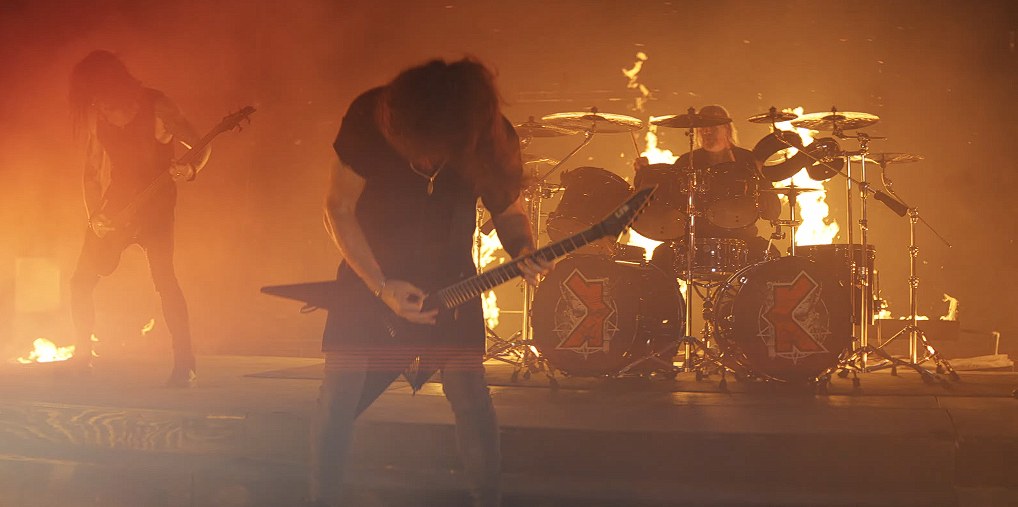
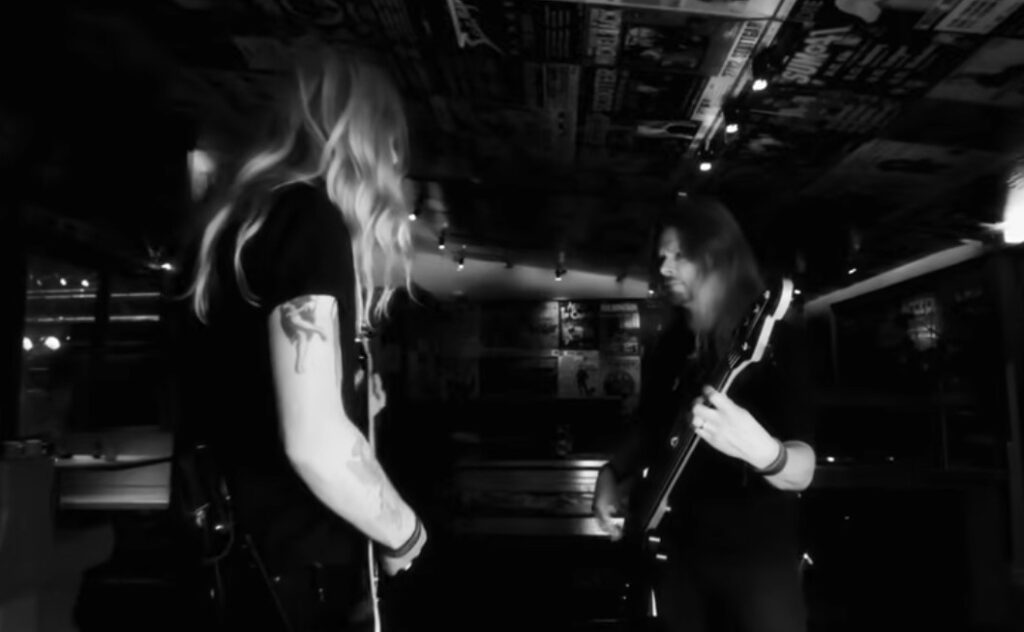
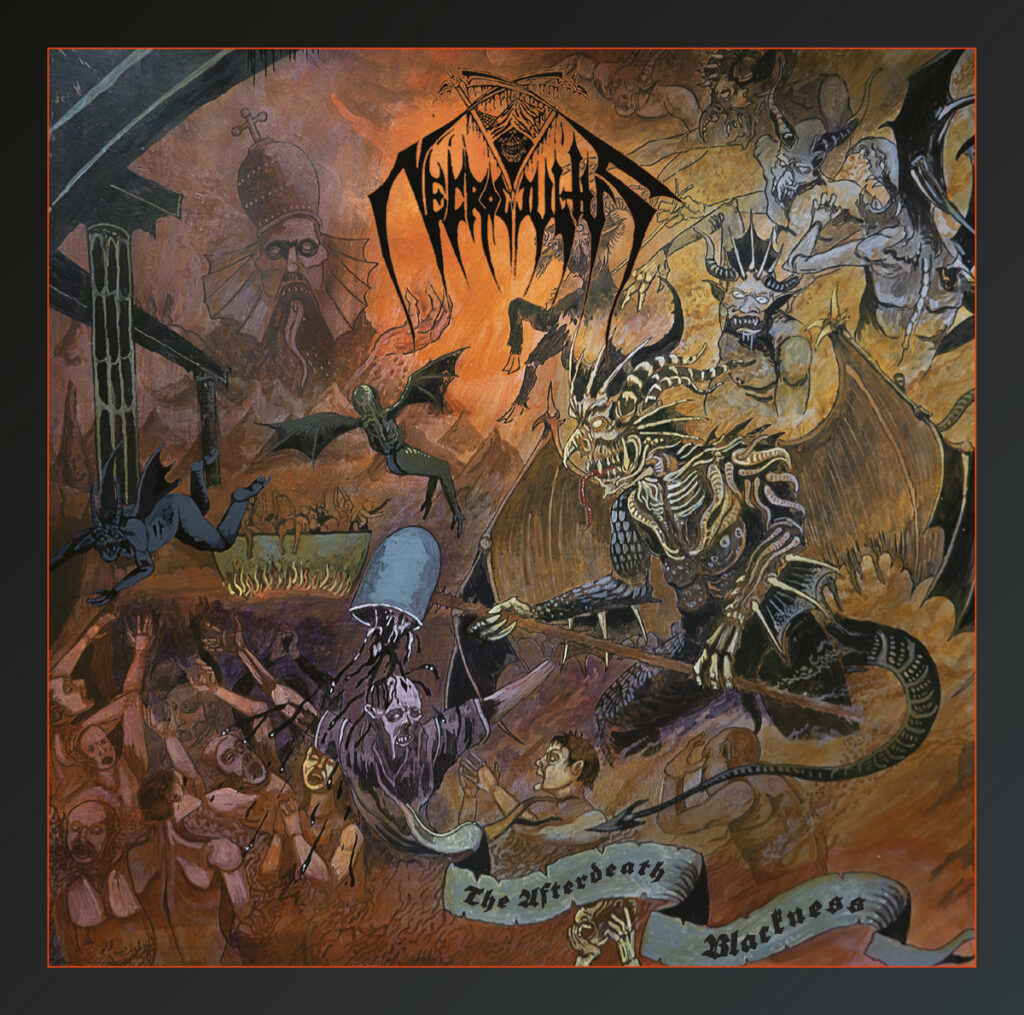
“Unburied Hellish Presence” translates directly into the ~third reactivation of Necroccultus for “The Afterdeath Blackness“, as the general ideal proposed by the sound and overall aesthetic of the demo is realized and dissected here. This time, members of In Obscurity Revealed , Remains and Undertomb have joined their strange legion along with returning bassist Néstor Márquez and the deafening dissonant death-thrash quality of the band’s atmospheric reach only intensifies in their hands. Side A leans toward the imposing sound design provided through a terrified yet fighting liveliness in the mind, with undeniable immediacy aimed at inspiring terror through its riff-obsessed piercing layering.
- See this related article too: Review: Lividus – Scarabaeus – The Progressive Subway
The opening track “The Highest Sphere of Dead” is the start of the show, an omen driven by ominous riffcraft meant to mobilize bodies, before the standout “Slaughter of Bestiality” sets the bar high in riff count and the monstrous echoing atmosphere it transmits. The shotgun groove that introduces the latter passes through a series of variations, shrinking its intensity toward the ~3-minute mark, where the scrambling break leads us into a Immolation-type lull, taking the late ’80s thrashing framework and giving it a wandering sickliness. The main standout of the first half comes through “Unburied Hellish Presences”, one of the album’s most active songs in terms of riff count, which also leans into the cavernous roar of “The Afterdeath Blackness” to brilliant effect. The features of the simpler intensity of ancient death metal are unrestrained here, as the rapid riff changes, the frequent halts and turns and the more atmospheric development lend a drive and pull to the otherwise plain construction of the track.
- Take a look here too: CANDARIAN – Trepanación (2026) | REVIEW
The capable alternation of frequent riff changes at the center of ‘The Afterdeath Madness‘ suggests old-school spirits, willing to pierce through a series of rhythmic ideas that rattle the brain and fuel the dark assault for which Necroccultus are known. At this point of peak for the unholy assault, “Dread Midnight Entities” more or less eclipses the previous strike with its dissonant ‘Altars of Madness‘-era brilliance through the escalation of its main riff. The natural climax of their efforts here remains between “Unburied Hellish Presences” and the volcanic outpouring of “Multiform Devourer of Souls“, which notably captures the peak of momentum of the entire listen, a point of intense focus passing beyond the album’s midpoint.
Beyond the cataclysmic ending detailed within the atmospheric terror of the closer/title track “The Afterdeath Blackness”, you’ve grasped the essence that Necroccultus have created a second LP that is at once authentic and adds to their enduring efforts and to the dark “old-fashioned” death metal otherwise in obscurity. The violence of the band’s early-2000s incarnation isn’t fully maintained, but they’ve made sure that “The Afterdeath Blackness” not only belongs in their discography, but also distinguishes it, presenting a clear ideal that raises the proverbial bar without complicating or over-modernizing the performance or technique. The final result is not only well-written, but also packed with maniacal riffs, enough to satisfy the threshold of the average death metal classicist.